

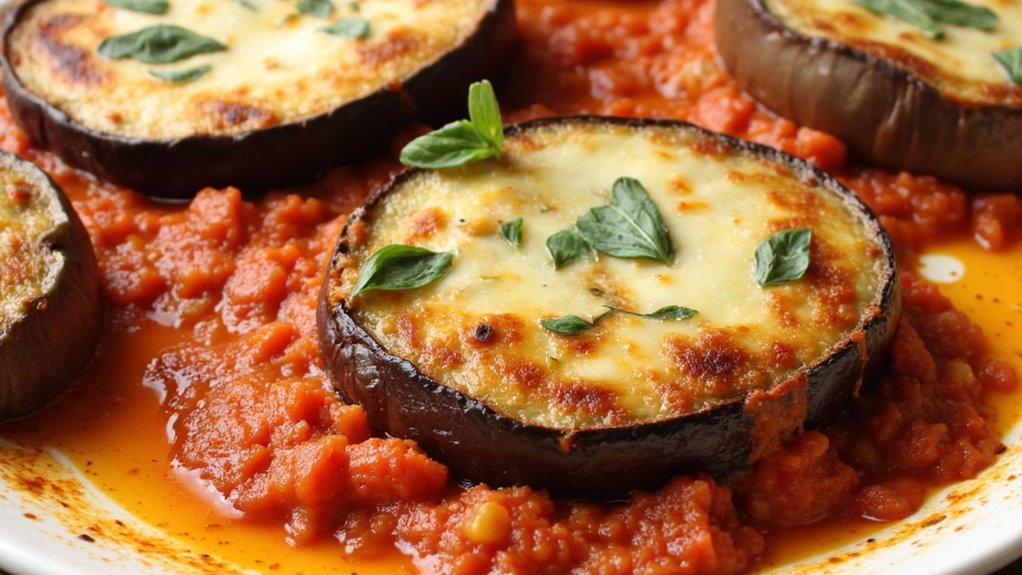
When I think of Greek vegan recipes, I see vibrant, fresh flavors wrapped up in wholesome goodness. These 12 light Greek vegan recipes are perfect for anyone looking to enjoy clean Mediterranean eating. From a refreshing chickpea salad to a comforting moussaka, there’s a dish here for every taste. If you’re eager to bring a touch of Greece to your kitchen, keep reading. You’ll find these recipes both nourishing and satisfying.
Greek Chickpea Salad
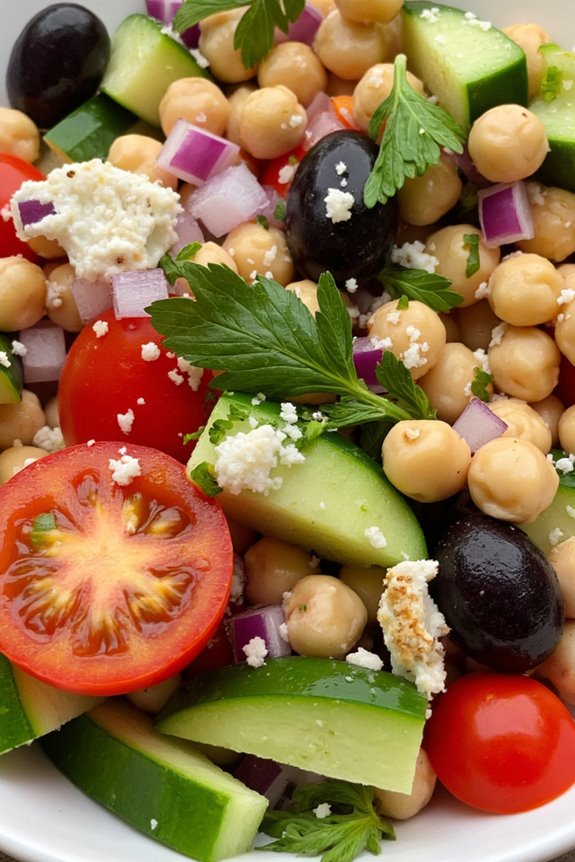
The Greek Chickpea Salad is a vibrant and nutritious dish that celebrates the flavors of the Mediterranean. Packed with protein from chickpeas and loaded with fresh vegetables, this salad makes for a revitalizing meal or a side dish that can be enjoyed at any time of the year. The combination of crunchy cucumbers, juicy tomatoes, and briny olives brings a delightful contrast in texture, while the tangy dressing ties everything together beautifully.
This salad isn’t only vegan but also gluten-free, making it a perfect option for various dietary preferences. Preparing this salad is quick and easy, making it an excellent choice for busy weeknights or casual gatherings. With minimal cooking involved, you can have a delicious, satisfying meal on the table in no time. Serve it alongside some pita bread or as part of a larger Greek-inspired spread, and enjoy the burst of flavors that this Greek Chickpea Salad brings to your palate.
Ingredients (serving size: 4-6 people)
- 2 cans (15 oz each) chickpeas, drained and rinsed
- 1 large cucumber, diced
- 2 cups cherry tomatoes, halved
- 1 red bell pepper, diced
- 1 small red onion, finely chopped
- 1 cup Kalamata olives, pitted and halved
- 1/4 cup fresh parsley, chopped
- 1/4 cup fresh mint, chopped
- 1/4 cup olive oil
- 2 tablespoons red wine vinegar
- 1 tablespoon lemon juice
- 1 teaspoon dried oregano
- Salt and pepper to taste
Cooking Instructions
- Prepare the Vegetables: Begin by washing and preparing all the fresh vegetables. Dice the cucumber, halve the cherry tomatoes, and chop the red bell pepper and red onion. These fresh ingredients will serve as the base of your salad and provide a variety of textures.
- Prepare the Chickpeas: In a colander, drain and rinse the canned chickpeas thoroughly under cold running water. This step is essential to remove excess sodium and preserve the chickpeas’ natural taste. Once rinsed, allow them to drain well.
- Combine Ingredients: In a large mixing bowl, add the chickpeas, diced cucumber, cherry tomatoes, red bell pepper, red onion, and Kalamata olives. Gently toss the ingredients together to combine them evenly.
- Make the Dressing: In a small bowl, whisk together the olive oil, red wine vinegar, lemon juice, dried oregano, salt, and pepper. This dressing will enhance the flavors of the salad and give it a revitalizing zing. Adjust the seasoning to your taste.
- Add Herbs: Fold in the chopped parsley and mint into the salad mixture. These fresh herbs will add an aromatic quality and elevate the overall flavor profile of the dish.
- Dress the Salad: Pour the dressing over the salad and toss gently to guarantee everything is well-coated. Be careful not to mash the chickpeas; you want to maintain their shape for a pleasant texture.
- Chill and Serve: For the best flavor, let the salad sit in the refrigerator for at least 30 minutes before serving. This allows the flavors to meld together. Serve chilled or at room temperature as a side dish or a light meal.
Extra Tips
When making Greek Chickpea Salad, feel free to customize the ingredients based on your preferences. You can add other vegetables like radishes or bell peppers, or include vegan feta for a creamier texture.
Additionally, if you’re preparing the salad ahead of time, consider adding the dressing just before serving to prevent the salad from becoming soggy. This dish also keeps well in the refrigerator for a couple of days, making it perfect for meal prep or leftovers!
Vegan Moussaka

Vegan Moussaka is a delightful twist on the traditional Greek dish, replacing meat and dairy with rich, flavorful plant-based ingredients. This hearty casserole features layers of roasted eggplant, a savory lentil and tomato sauce, and a creamy vegan béchamel that comes together to create a satisfying meal that’s perfect for family gatherings or a cozy dinner at home.
It’s a wholesome comfort food that’s both nutritious and full of flavor, making it an ideal choice for vegans and non-vegans alike.
The key to a successful Vegan Moussaka lies in the quality of your vegetables and the seasoning of your lentil filling. Roasting the eggplant beforehand enhances its flavor and texture, while the lentils provide a protein-packed base that mimics the richness of traditional moussaka.
The creamy béchamel made from cashews or a plant-based milk adds a luscious layer that ties all the components together, creating a dish that’s as pleasing to the palate as it’s to the eye.
Ingredients (Serves 4-6):
- 2 large eggplants, sliced into ½ inch rounds
- 1 teaspoon salt
- 1 tablespoon olive oil
- 1 onion, finely chopped
- 3 cloves garlic, minced
- 1 cup green or brown lentils, rinsed and drained
- 1 can (14 oz) crushed tomatoes
- 1 teaspoon dried oregano
- 1 teaspoon ground cinnamon
- 1 teaspoon black pepper
- ½ teaspoon salt (to taste)
- 2 cups vegetable broth
- 2 tablespoons fresh parsley, chopped (for garnish)
For the Vegan Béchamel:
- 1 cup raw cashews, soaked for 4 hours and drained
- 1 cup unsweetened almond milk (or any plant-based milk)
- 3 tablespoons nutritional yeast
- 2 tablespoons lemon juice
- 1 teaspoon garlic powder
- Salt and pepper to taste
Cooking Instructions:
1. Prepare the Eggplants: Preheat your oven to 400°F (200°C). Lay the sliced eggplants on a baking sheet, sprinkle with salt, and let them sit for about 30 minutes to draw out excess moisture. This step helps reduce bitterness and improves the texture.
After 30 minutes, rinse the slices under cold water and pat them dry with a paper towel.
2. Roast the Eggplants: Drizzle olive oil over the eggplant slices and toss to coat. Spread them out in a single layer on a baking sheet and roast in the preheated oven for about 25-30 minutes, flipping halfway through, until golden brown and tender.
3. Make the Lentil Filling: In a large skillet, heat a tablespoon of olive oil over medium heat. Add the chopped onion and garlic, cooking until softened and fragrant, about 5 minutes.
Stir in the drained lentils, crushed tomatoes, vegetable broth, oregano, cinnamon, black pepper, and salt. Bring to a simmer, cover, and cook for about 25 minutes, or until the lentils are tender, stirring occasionally.
4. Prepare the Vegan Béchamel: In a blender, combine the soaked cashews, almond milk, nutritional yeast, lemon juice, garlic powder, and a pinch of salt and pepper. Blend until smooth and creamy.
If the mixture is too thick, you can add a bit more almond milk to reach your desired consistency.
5. Assemble the Moussaka: In a large baking dish, layer half of the roasted eggplant slices on the bottom. Spread half of the lentil filling on top, followed by another layer of eggplant and the rest of the lentil filling.
Top with the remaining eggplant slices and finally pour the vegan béchamel over the top, smoothing it out with a spatula.
6. Bake the Moussaka: Cover the baking dish with aluminum foil and bake in the oven for 30 minutes. Remove the foil and bake for an additional 15-20 minutes, or until the top is golden brown and bubbly.
Let it cool for a few minutes before serving, garnished with fresh parsley.
Extra Tips:
For a more complex flavor, consider adding spices such as smoked paprika or chili powder to the lentil filling.
You can also experiment with different vegetables, like zucchini or potatoes, to add more layers and textures to your moussaka. If you’re short on time, you can prepare the components a day in advance and assemble them just before baking.
Enjoy your Vegan Moussaka with a fresh salad or crusty bread for a complete meal!
Quinoa Tabbouleh
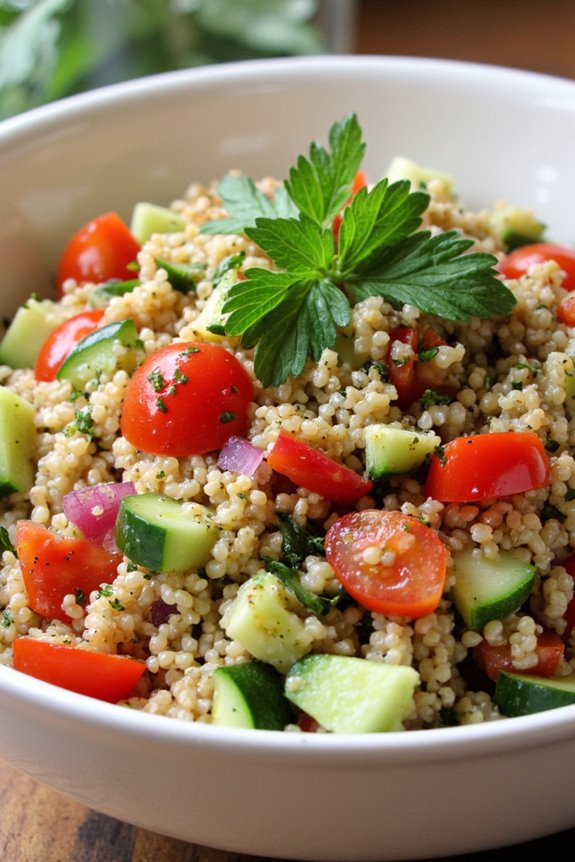
Quinoa Tabbouleh is a revitalizing and nutritious twist on the traditional Middle Eastern dish. This vegan version substitutes bulgur wheat with quinoa, making it gluten-free while still capturing the essence of the original recipe. Packed with fresh herbs and veggies, this dish isn’t only vibrantly colorful but also loaded with vitamins and minerals, making it an ideal addition to your Greek vegan repertoire.
It serves as an excellent side dish for barbecues or can be enjoyed as a light meal on its own. The combination of quinoa, parsley, mint, tomatoes, and cucumbers provides a delightful crunch and a burst of flavor in every bite. This dish is perfect for meal prep, as it stores well in the refrigerator and the flavors only get better over time.
Whether you’re serving it at a family gathering or just enjoying it for lunch, Quinoa Tabbouleh is sure to impress everyone at the table!
Ingredients (Serves 4-6):
- 1 cup quinoa
- 2 cups water
- 1 cup parsley, finely chopped
- 1/2 cup mint, finely chopped
- 1 cup tomatoes, diced
- 1 cup cucumber, diced
- 1/4 cup red onion, finely chopped
- 1/4 cup olive oil
- 1/4 cup lemon juice
- Salt and pepper to taste
Cooking Instructions:
- Rinse the Quinoa: Begin by rinsing the quinoa under cold water in a fine mesh strainer. This step is essential as it removes the natural coating called saponin, which can give the quinoa a bitter taste.
- Cook the Quinoa: In a medium saucepan, combine the rinsed quinoa and 2 cups of water. Bring it to a boil over medium-high heat, then reduce the heat to low, cover, and let it simmer for about 15 minutes or until all the water is absorbed. Once cooked, remove from heat and let it sit for 5 minutes, then fluff it with a fork.
- Prepare the Vegetables: While the quinoa is cooking, wash and prepare the vegetables. Dice the tomatoes and cucumber, finely chop the parsley and mint, and finely chop the red onion. Place all the chopped vegetables in a large mixing bowl.
- Mix the Dressing: In a small bowl, whisk together the olive oil, lemon juice, salt, and pepper. Adjust the seasoning according to your taste preferences.
- Combine Everything: Once the quinoa has cooled slightly, add it to the bowl of vegetables. Pour the dressing over the mixture and toss everything together until well combined. Make sure the quinoa is evenly distributed among the vegetables.
- Chill and Serve: For the best flavor, let the Tabbouleh chill in the refrigerator for at least 30 minutes before serving. This allows the flavors to meld together beautifully. Serve chilled or at room temperature.
Extra Tips:
When making Quinoa Tabbouleh, feel free to customize the ingredients based on what you have on hand or your personal preferences. You can add in other vegetables like bell peppers or even some olives for added flavor.
If you prefer a more robust flavor, let the salad sit for a few hours or overnight in the refrigerator. Keep in mind that the quinoa will absorb some of the dressing, so you may want to adjust the olive oil and lemon juice before serving if it seems a bit dry. Enjoy your healthy and vibrant dish!
Stuffed Peppers With Rice and Herbs
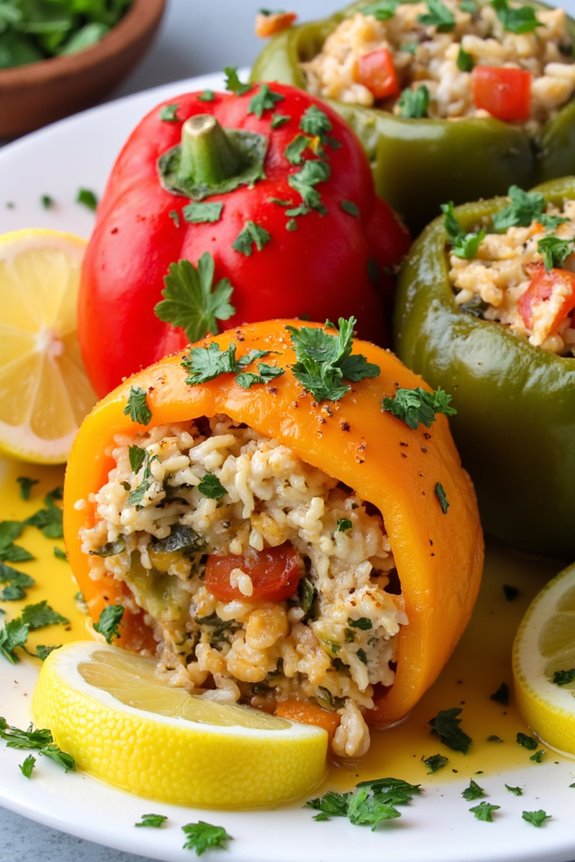
Stuffed Peppers With Rice and Herbs is a delightful and nourishing dish that reflects the vibrant flavors of Greek cuisine. This vegan recipe showcases bell peppers filled with a savory mixture of rice, fresh herbs, and spices, making it a wholesome and satisfying meal. Not only is it visually appealing with its array of colors, but it also provides a hearty option for both vegetarians and vegans.
The combination of rice and herbs creates a fragrant filling that pairs beautifully with the sweetness of the bell peppers. This dish is perfect for family gatherings or potlucks, as it can easily serve 4-6 people. With a few simple ingredients and straightforward steps, you can bring a taste of Greece to your table.
Ingredients (Serves 4-6):
- 4 large bell peppers (any color)
- 1 cup long-grain rice (uncooked)
- 2 cups vegetable broth or water
- 1 medium onion, finely chopped
- 2 cloves garlic, minced
- 1 cup diced tomatoes (fresh or canned)
- 1 teaspoon dried oregano
- 1 teaspoon dried thyme
- 1/2 teaspoon salt (or to taste)
- 1/4 teaspoon black pepper
- 1/4 cup fresh parsley, chopped
- 1/4 cup fresh mint, chopped
- 2 tablespoons olive oil
- Lemon wedges (for serving)
Cooking Instructions:
- Prepare the Peppers: Preheat your oven to 375°F (190°C). While the oven is heating, wash the bell peppers and slice the tops off, removing the seeds and membranes. Set the tops aside for later use. Lightly brush the outside of the peppers with olive oil and place them upright in a baking dish.
- Cook the Rice: In a medium saucepan, heat 1 tablespoon of olive oil over medium heat. Add the chopped onion and minced garlic, sautéing until the onion is translucent (about 5 minutes). Stir in the rice, allowing it to toast for a minute, then add the vegetable broth or water. Bring to a boil, then reduce the heat, cover, and let simmer for about 15 minutes or until the rice is cooked and liquid is absorbed. Remove from heat and let it cool slightly.
- Make the Filling: In a large bowl, combine the cooked rice, diced tomatoes, oregano, thyme, salt, black pepper, parsley, and mint. Mix well until all ingredients are evenly distributed. This flavorful herb and tomato mixture will serve as the stuffing for the peppers.
- Stuff the Peppers: Carefully fill each prepared bell pepper with the rice mixture, packing it gently but firmly. If desired, you can place the tops of the peppers back on for a more rustic presentation.
- Bake the Stuffed Peppers: Pour a small amount of water or vegetable broth into the bottom of the baking dish to help steam the peppers. Cover the dish with aluminum foil and bake for 25-30 minutes. After this time, remove the foil and bake for an additional 10-15 minutes to allow the tops to brown slightly.
- Serve: Once done, take the stuffed peppers out of the oven and let them cool for a few minutes. Serve warm, garnished with fresh herbs and lemon wedges on the side for an extra burst of flavor.
Extra Tips:
When cooking Stuffed Peppers With Rice and Herbs, feel free to customize the filling according to your taste preferences. You can add other vegetables, such as zucchini or mushrooms, or even incorporate some cooked lentils for extra protein.
Additionally, experimenting with different herbs can give the dish a unique twist; rosemary or dill can be excellent substitutes. For added creaminess, consider serving the peppers with a dollop of tahini or vegan yogurt on the side. Enjoy your delicious and healthy Greek-inspired meal!
Spanakopita With Tofu
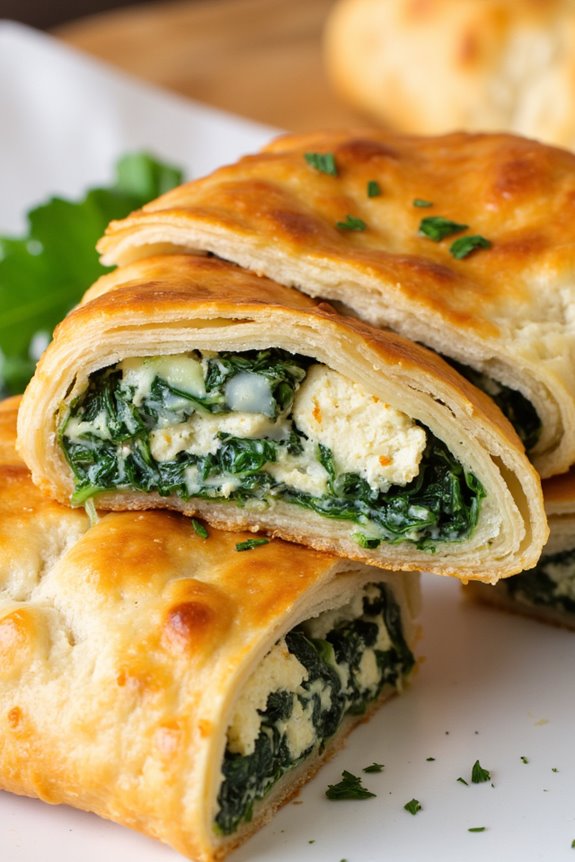
Spanakopita is a beloved Greek dish typically made with flaky phyllo pastry and a savory filling of spinach and feta cheese. In this vegan version, we replace the traditional cheese with tofu, which provides a creamy texture and acts as a great source of protein. This dish not only captures the essence of authentic Greek flavors but also caters to those following a plant-based diet.
The process of making Spanakopita with tofu is quite straightforward and can be a fun cooking experience. You can enjoy this dish as a delicious appetizer, main course, or even as part of a festive spread. The crispy layers of phyllo pastry combined with the rich filling of spinach and tofu create a delightful contrast that’s sure to impress family and friends.
Ingredients (Serves 4-6)
- 1 package (14 oz) firm tofu, drained and pressed
- 1 tablespoon olive oil
- 1 large onion, diced
- 3 cups fresh spinach, chopped (or 1 cup frozen spinach, thawed and drained)
- 2 cloves garlic, minced
- 1 tablespoon fresh dill, chopped (or 1 teaspoon dried dill)
- 1 tablespoon fresh parsley, chopped (or 1 teaspoon dried parsley)
- Juice of 1 lemon
- Salt and pepper to taste
- 1 package phyllo dough (about 16 oz), thawed
- 1/2 cup melted vegan butter or olive oil for brushing
Cooking Instructions
- Prepare the Tofu Filling: In a large mixing bowl, crumble the pressed tofu with your fingers until it resembles ricotta cheese. Add the sautéed vegetables to the bowl, including the cooked onion, fresh spinach, minced garlic, dill, parsley, lemon juice, salt, and pepper. Mix everything together gently until well combined.
- Sauté the Vegetables: In a skillet over medium heat, add olive oil. Once hot, add the diced onion and cook until translucent, about 5 minutes. Then, add the chopped spinach and garlic, cooking until the spinach wilts (if using fresh) or is heated through (if using frozen). Remove from heat and let cool slightly.
- Prepare the Phyllo Dough: Lay out a sheet of phyllo dough on a clean surface and brush it lightly with melted vegan butter or olive oil. Place another sheet on top and brush again. Repeat this process until you have about 4-5 layers of phyllo.
- Assemble the Spanakopita: Spoon a portion of the tofu and spinach filling along one edge of the phyllo dough, leaving a border. Fold the sides over the filling and carefully roll the phyllo to enclose the filling completely, forming a log or triangle shape. Place the filled pastry on a baking sheet lined with parchment paper.
- Brush and Bake: Once you have assembled all your Spanakopita, brush the tops with more melted vegan butter or olive oil. Bake in a preheated oven at 375°F (190°C) for 25-30 minutes or until golden brown and crispy.
- Serve: Remove from the oven and allow to cool slightly before slicing. Serve warm, garnished with lemon wedges if desired.
Extra Tips
When working with phyllo dough, it’s important to keep it covered with a damp cloth while you work to prevent it from drying out. You can also customize the filling by adding other vegetables like artichokes or sun-dried tomatoes for an extra burst of flavor.
Additionally, Spanakopita can be made ahead of time and frozen before baking; just be sure to thaw it completely before popping it in the oven for a quick and convenient meal. Enjoy this delightful dish as part of a larger Mediterranean feast!
Grilled Vegetable Skewers
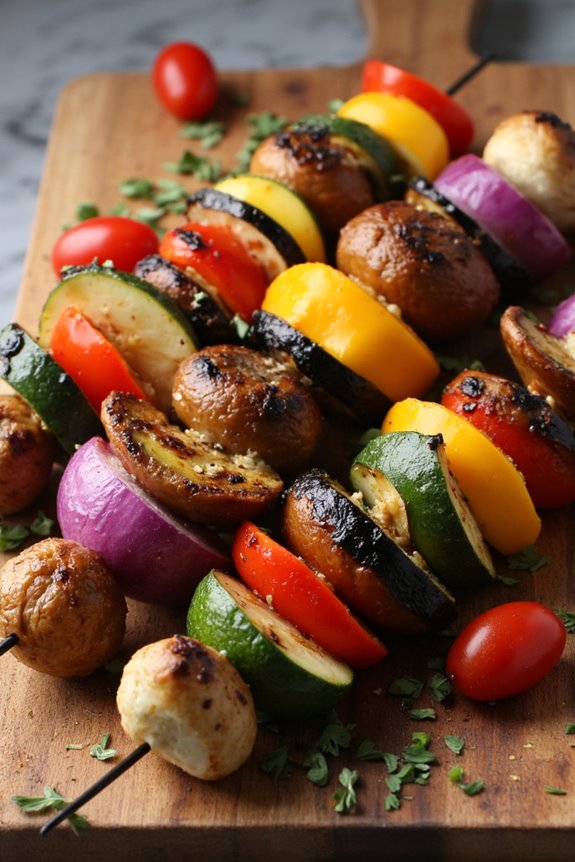
Grilled vegetable skewers are a delightful and vibrant addition to any meal, particularly in Greek vegan cuisine. Bursting with fresh flavors from a variety of seasonal vegetables, these skewers embody the essence of summer grilling while being incredibly easy to prepare.
Whether served as an appetizer, side dish, or main course, they offer a healthy and satisfying option for vegans and non-vegans alike.
The beauty of grilled vegetable skewers lies in their versatility. You can mix and match your favorite vegetables, marinating them in a simple yet flavorful dressing to enhance their taste. The combination of smoky grilled veggies paired with a drizzle of olive oil and herbs makes this dish a must-try for anyone looking to enjoy a taste of Greece in a plant-based way.
Ingredients (Serves 4-6):
- 2 bell peppers (red, yellow, or green), cut into 1-inch pieces
- 1 medium zucchini, sliced into 1/2-inch rounds
- 1 medium red onion, cut into wedges
- 8-10 cherry tomatoes
- 1 cup mushrooms (button or portobello), cleaned and halved
- 1 cup eggplant, cut into 1-inch cubes
- 1/4 cup olive oil
- 2 tablespoons lemon juice
- 2 teaspoons dried oregano
- Salt and pepper to taste
- Skewers (wooden or metal)
Cooking Instructions:
- Prep the Vegetables: Start by washing and cutting all the vegetables into uniform sizes. This guarantees even cooking on the grill. Place the bell peppers, zucchini, red onion, cherry tomatoes, mushrooms, and eggplant into a large mixing bowl.
- Make the Marinade: In a separate bowl, combine the olive oil, lemon juice, dried oregano, salt, and pepper. Whisk together until well mixed. This marinade won’t only add flavor but also help prevent the vegetables from drying out while grilling.
- Marinate the Vegetables: Pour the marinade over the prepared vegetables and toss gently until all pieces are well coated. Allow the vegetables to marinate for at least 15-30 minutes to absorb the flavors. If you have time, marinating for a few hours in the refrigerator will intensify the taste even further.
- Prepare the Skewers: If you’re using wooden skewers, soak them in water for about 20-30 minutes to prevent burning on the grill. Once soaked, begin threading the marinated vegetables onto the skewers, alternating between different types for a colorful presentation.
- Preheat the Grill: While you’re preparing the skewers, preheat your grill to medium-high heat. This guarantees that the vegetables will cook evenly and get those lovely grill marks.
- Grill the Skewers: Place the skewers on the grill and cook for about 10-15 minutes, turning them occasionally to guarantee they cook evenly. The vegetables should be tender and slightly charred when done.
- Serve: Once grilled to perfection, remove the skewers from the grill and let them cool for a minute. Serve warm, drizzled with additional olive oil and a sprinkle of fresh herbs if desired.
Extra Tips:
For added flavor and variety, feel free to incorporate other vegetables like asparagus, corn, or even firm tofu.
You can also customize the marinade by adding spices like paprika or fresh herbs such as basil or parsley. To enhance the presentation, serve your grilled vegetable skewers on a platter with a side of tzatziki sauce or a fresh salad.
Enjoy your delicious Greek vegan grilled vegetable skewers at your next gathering or barbecue!
Lemon and Herb Roasted Potatoes

Lemon and Herb Roasted Potatoes are a delightful twist on a classic side dish, perfect for any vegan meal or gathering. The combination of zesty lemon juice, fresh herbs, and perfectly roasted potatoes creates a dish that isn’t only visually appealing but also bursting with flavor. This recipe is simple to prepare, making it an excellent choice for both seasoned chefs and kitchen novices alike.
The beauty of this dish lies in its versatility. You can serve these roasted potatoes alongside a fresh salad, grilled vegetables, or even as a hearty addition to a vegan platter. With just a few simple ingredients, you can transform ordinary potatoes into a delicious and satisfying component of your meal that everyone will love.
Ingredients (Serves 4-6):
- 2 pounds of small to medium potatoes (Yukon Gold or red)
- 1/4 cup olive oil
- Juice and zest of 1 large lemon
- 2 tablespoons fresh rosemary, chopped (or 1 tablespoon dried)
- 2 tablespoons fresh thyme, chopped (or 1 tablespoon dried)
- 4 cloves garlic, minced
- Salt and black pepper to taste
Cooking Instructions:
- Preheat the Oven: Start by preheating your oven to 425°F (220°C). A hot oven is crucial for achieving crispy, golden-brown potatoes.
- Prepare the Potatoes: Wash the potatoes thoroughly to remove any dirt. If using larger potatoes, cut them into quarters; for smaller ones, halving them should suffice. The goal is to guarantee they’re all roughly the same size so they cook evenly.
- Mix Ingredients: In a large mixing bowl, combine the olive oil, lemon juice, lemon zest, chopped rosemary, chopped thyme, minced garlic, salt, and pepper. This mixture will both flavor and coat the potatoes beautifully.
- Coat the Potatoes: Add the prepared potatoes to the bowl and toss them well in the lemon and herb mixture until they’re evenly coated. Make sure every piece is covered for maximum flavor.
- Roast in the Oven: Spread the coated potatoes in a single layer on a baking sheet lined with parchment paper. This will help prevent sticking and promote even roasting. Roast in the preheated oven for about 30-35 minutes, or until the potatoes are golden brown and fork-tender. Be sure to flip them halfway through cooking to guarantee even browning.
- Serve and Enjoy: Once done, remove the potatoes from the oven and let them cool for a few minutes. Taste and adjust seasoning if necessary. Serve warm, garnished with additional herbs or lemon wedges if desired.
Extra Tips:
For an added depth of flavor, consider letting the potatoes marinate in the lemon and herb mixture for 30 minutes to an hour before roasting. This will allow the flavors to penetrate the potatoes more deeply.
Additionally, feel free to customize the herbs based on your preference or what you have on hand; herbs like oregano or parsley can also work beautifully in this dish.
Finally, for extra crispiness, you can broil the potatoes for the last 2-3 minutes of cooking, but keep a close eye to avoid burning. Enjoy your flavorful Lemon and Herb Roasted Potatoes!
Greek Lentil Soup
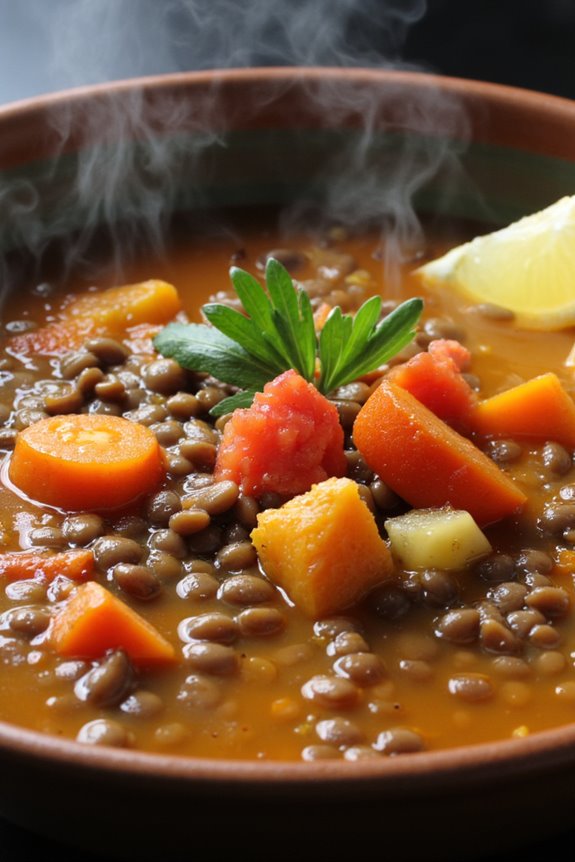
Greek Lentil Soup, known as “Fakes,” is a hearty and wholesome dish that isn’t only comforting but also packed with nutrients. This traditional Greek recipe is simple to prepare and brings together the rich flavors of lentils, vegetables, and aromatic herbs.
Perfect for a chilly evening or as a healthy lunch option, this soup is a staple in many Greek households. The best part is that it’s entirely plant-based, making it suitable for vegans and those looking to incorporate more legumes into their diet.
To make Greek Lentil Soup, you’ll need to gather a few basic ingredients that are commonly found in most kitchens. This dish isn’t only nutritious but also budget-friendly, allowing you to enjoy a delicious home-cooked meal without breaking the bank.
With a little patience, you’ll have a warm and satisfying soup that embodies the essence of Greek cuisine.
Ingredients (serves 4-6):
- 1 cup dried green or brown lentils, rinsed and drained
- 1 medium onion, chopped
- 2 cloves garlic, minced
- 2 medium carrots, diced
- 2 medium tomatoes, diced (or 1 can of diced tomatoes)
- 2 tablespoons olive oil
- 1 teaspoon dried oregano
- 1 teaspoon dried thyme
- 4 cups vegetable broth
- 1 bay leaf
- Salt and pepper, to taste
- Fresh parsley, chopped (for garnish)
- Lemon wedges (for serving)
Cooking Instructions:
1. Prepare the Ingredients: Begin by rinsing the lentils under cold water to remove any debris or impurities. Chop the onion, garlic, carrots, and tomatoes, ensuring they’re all diced into similar-sized pieces for even cooking.
2. Sauté the Vegetables: In a large pot, heat the olive oil over medium heat. Once hot, add the chopped onion and sauté for about 5 minutes, or until it becomes translucent.
Then, add the minced garlic and diced carrots. Cook for an additional 3-4 minutes, stirring occasionally, until the carrots soften slightly.
3. Add Lentils and Seasonings****: Stir in the rinsed lentils, diced tomatoes, dried oregano, dried thyme, and the bay leaf. Mix everything together to evenly distribute the spices and flavor.
4. Pour in the Broth: Add the vegetable broth to the pot, bringing the mixture to a boil. Once boiling, reduce the heat to low and let the soup simmer.
Cover the pot and cook for approximately 30-35 minutes, or until the lentils are tender.
5. Season and Serve: After the lentils are cooked, remove the bay leaf from the soup. Taste and season with salt and pepper as needed.
If the soup is too thick, add a bit more broth or water to reach your desired consistency. Serve hot, garnished with fresh parsley and lemon wedges on the side.
Extra Tips:
For added depth of flavor, consider incorporating a splash of red wine while sautéing the vegetables, or top the soup with a dollop of vegan yogurt for creaminess.
You can also customize the soup by adding other vegetables like celery or bell peppers, and feel free to adjust the herbs according to your taste preferences. This soup stores well in the refrigerator for up to a week, and the flavors continue to develop, making it even tastier the next day.
Cucumber and Avocado Tzatziki
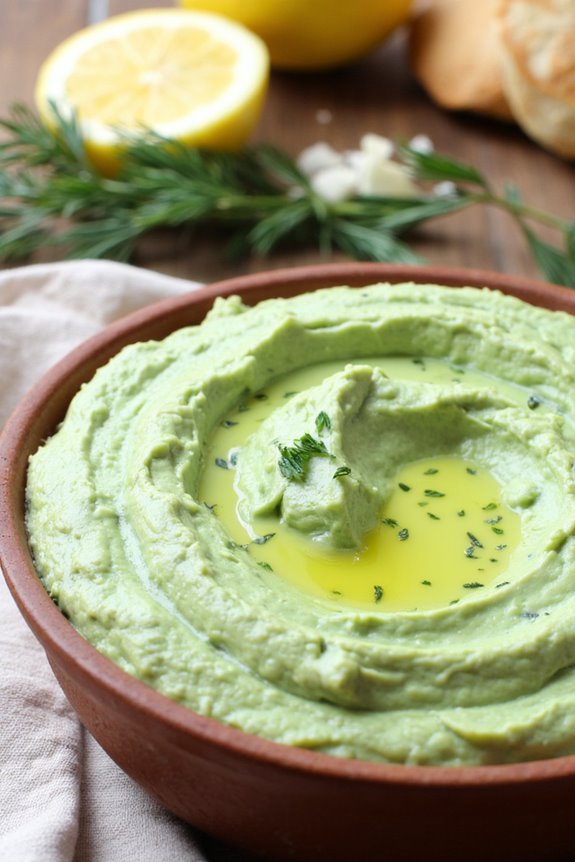
Cucumber and Avocado Tzatziki is a revitalizing twist on the traditional Greek tzatziki sauce, which usually features yogurt and dill. This vegan version substitutes creamy avocado for yogurt, creating a luscious and velvety texture that pairs beautifully with the crispness of fresh cucumber.
The blend of flavors is a wonderful complement to Mediterranean dishes, making it a perfect dip for pita bread, a spread for sandwiches, or a topping for grilled vegetables. This recipe is simple and quick to prepare, taking just a few minutes to whip up.
With its vibrant green color and invigorating taste, this tzatziki isn’t only healthy but also appealing to the eyes. Best served chilled, it’s an excellent addition to any summer gathering or picnic. Serve it up alongside your favorite Greek vegan dishes for a delightful culinary experience.
Ingredients (serving size: 4-6 people):
- 1 large ripe avocado
- 1 medium cucumber
- 2 tablespoons olive oil
- 2 tablespoons lemon juice
- 2 garlic cloves, minced
- 1 tablespoon fresh dill, chopped (or 1 teaspoon dried dill)
- Salt and pepper, to taste
Cooking Instructions:
1. Prepare the Cucumber: Start by washing the cucumber thoroughly. Peel it if you prefer a smoother texture, then cut it in half lengthwise. Use a spoon to scoop out the seeds, which can make the tzatziki watery.
Grate or finely chop the cucumber and place it in a clean kitchen towel or cheesecloth. Squeeze out any excess moisture to make sure your tzatziki is thick and creamy.
2. Mash the Avocado: In a mixing bowl, cut the ripe avocado in half, remove the pit, and scoop the flesh into the bowl. Using a fork or a potato masher, Mash the Avocado until it reaches your desired level of creaminess.
You can leave some small chunks for texture if you prefer.
3. Combine the Ingredients: To the bowl with the mashed avocado, add the prepared cucumber, olive oil, lemon juice, minced garlic, and chopped dill. Mix everything together until well combined.
The avocado will give the tzatziki its creamy base, while the cucumber and dill add freshness.
4. Season to Taste: Add salt and pepper to the mixture according to your taste preferences. Stir well to incorporate the seasoning evenly throughout the tzatziki.
Adjust the lemon juice and garlic based on how tangy or garlicky you like your tzatziki.
5. Chill and Serve: Cover the bowl with plastic wrap or transfer the tzatziki to an airtight container. Refrigerate for at least 30 minutes before serving to allow the flavors to meld.
Serve chilled with pita chips, fresh vegetables, or as a condiment for your favorite vegan dishes.
Extra Tips:
For an even more flavorful tzatziki, consider adding a splash of apple cider vinegar or a pinch of smoked paprika for a different twist.
If you want to make it ahead of time, prepare the tzatziki but hold off on adding salt until just before serving; this will prevent the cucumber from releasing too much water. Enjoy this versatile dip as a healthy snack or a delightful accompaniment to your meals!
Vegan Dolmas With Lemon Sauce
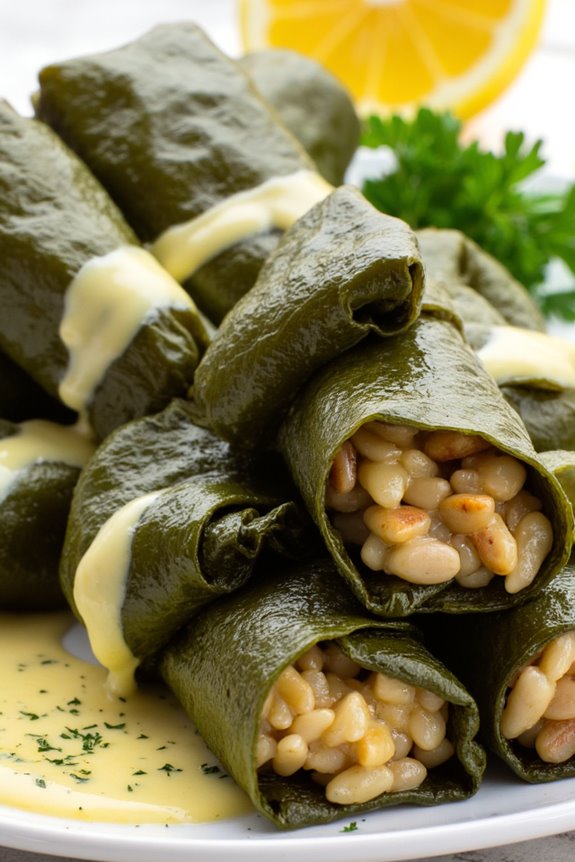
Dolmas, or stuffed grape leaves, are a beloved dish in Greek cuisine, and this vegan version is no exception. Traditionally made with rice, herbs, and spices, these flavorful rolls can be enjoyed as an appetizer or a main course. The addition of a tangy lemon sauce elevates the dish, bringing a rejuvenating zest that complements the earthy flavors of the stuffed grape leaves. This recipe is perfect for those who are looking to explore Mediterranean flavors in a plant-based diet.
Making vegan dolmas isn’t only simple but also fun! You can easily prepare them ahead of time for gatherings or meal prep for the week. Packed with wholesome ingredients like rice, pine nuts, and fresh herbs, these dolmas are sure to impress your family and friends. Serve them warm or at room temperature with the zesty lemon sauce for a delightful culinary experience.
Ingredients (Serves 4-6)
- 1 jar (16 oz) grape leaves in brine, drained and rinsed
- 1 cup uncooked short-grain rice
- 1 medium onion, finely chopped
- 2 tablespoons olive oil
- 1 teaspoon salt
- 1/2 teaspoon black pepper
- 1/2 teaspoon paprika
- 1/2 cup fresh parsley, chopped
- 1/4 cup fresh dill, chopped
- 1/4 cup pine nuts, toasted
- 1 lemon, juiced (for the sauce)
- 1 cup vegetable broth
- 2 tablespoons olive oil (for drizzling)
- Lemon wedges (for serving)
Cooking Instructions
- Prepare the Rice: Start by cooking the rice according to the package instructions until it’s tender. Once cooked, remove it from the heat and let it cool for a few minutes.
- Sauté the Onion: In a large skillet, heat 2 tablespoons of olive oil over medium heat. Add the finely chopped onion and sauté until it becomes translucent and slightly golden, about 5-7 minutes. This will enhance the flavor of the dolmas.
- Mix the Filling: In a large bowl, combine the cooked rice, sautéed onions, salt, black pepper, paprika, parsley, dill, and toasted pine nuts. Stir well to confirm all the ingredients are evenly distributed.
- Prepare the Grape Leaves: Take a grape leaf and lay it flat with the stem end facing you. Place about a tablespoon of the filling at the base of the leaf. Fold the sides over the filling and then roll it up tightly from the base to the tip, creating a neat package. Repeat this process with the remaining grape leaves and filling.
- Arrange in a Pot: Layer the bottom of a large pot with any leftover or torn grape leaves to prevent sticking. Place the rolled dolmas seam side down in the pot, packing them snugly. Pour the vegetable broth over the dolmas, and drizzle with 2 tablespoons of olive oil.
- Cook the Dolmas: Cover the pot with a lid and bring the broth to a gentle simmer over medium heat. Cook for about 30-40 minutes, or until the grape leaves are tender. Check occasionally to confirm there’s enough liquid; add more broth or water if necessary.
- Prepare the Lemon Sauce: While the dolmas are cooking, prepare the lemon sauce by mixing the juice of one lemon with a bit of olive oil and seasoning it with salt and pepper to taste.
- Serve: Once the dolmas are cooked, carefully remove them from the pot and place them on a serving platter. Drizzle the lemon sauce over the top and serve with lemon wedges on the side.
Extra Tips
When preparing vegan dolmas, it’s important to choose high-quality grape leaves for the best flavor and texture. If you find the brined grape leaves too salty, you can soak them in water for about 30 minutes before using them.
Also, feel free to experiment with the filling by adding other ingredients like chopped tomatoes or currants for extra sweetness. Make sure to pack the dolmas tightly in the pot to prevent them from unrolling during cooking, and enjoy these delightful bites at room temperature as well!
Mediterranean Couscous Bowl
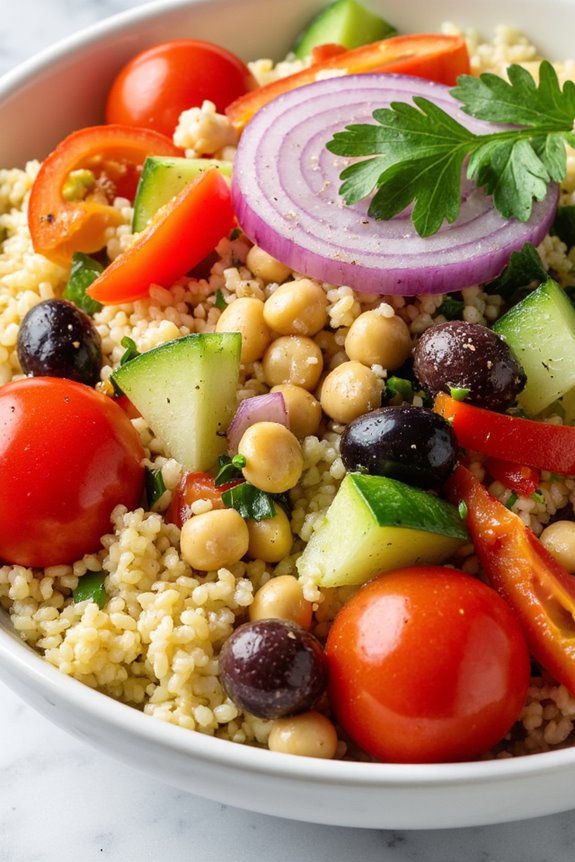
The Mediterranean Couscous Bowl is a vibrant and nutritious dish that brings together the rich flavors of the Mediterranean in a simple and satisfying way. This vegan recipe is perfect for a quick weeknight dinner or a delightful meal prep option. The fluffy couscous is paired with an array of colorful vegetables and a zesty dressing, making it not only visually appealing but also loaded with essential nutrients.
Whether you’re a longtime vegan or just looking to incorporate more plant-based meals into your diet, this bowl will surely please your taste buds. Incorporating a variety of fresh ingredients, this bowl is as versatile as it’s delicious. Feel free to customize it according to your preferences, adding in your favorite seasonal veggies or protein sources.
With a delightful mix of textures and flavors, each bite is a celebration of Mediterranean cuisine. Serve it warm or chilled, making it a perfect dish for any occasion, from casual family dinners to potlucks and gatherings with friends.
Ingredients (Serves 4-6):
- 1 ½ cups couscous
- 2 cups vegetable broth (or water)
- 1 cup cherry tomatoes, halved
- 1 cucumber, diced
- 1 red bell pepper, diced
- 1 cup chickpeas, cooked (canned or boiled)
- ½ red onion, finely chopped
- 1 cup kalamata olives, pitted and sliced
- ½ cup fresh parsley, chopped
- ¼ cup olive oil
- 2 tablespoons lemon juice
- 1 teaspoon dried oregano
- Salt and pepper to taste
Cooking Instructions:
- Prepare the Couscous: In a medium saucepan, bring 2 cups of vegetable broth (or water) to a boil. Once boiling, remove from heat and stir in the couscous. Cover the saucepan and let it sit for about 5 minutes, allowing the couscous to absorb the liquid and become fluffy.
- Fluff the Couscous: After 5 minutes, uncover the couscous and use a fork to fluff it gently. This helps separate the grains and gives it a light texture. Set it aside to cool slightly.
- Chop the Vegetables: While the couscous is cooling, prepare your vegetables. Chop the cherry tomatoes, cucumber, red bell pepper, and red onion into bite-sized pieces. Make sure to rinse and drain the chickpeas if using canned ones.
- Make the Dressing: In a small bowl, whisk together the olive oil, lemon juice, dried oregano, and a generous pinch of salt and pepper. This dressing will add a revitalizing and zesty flavor to your couscous bowl.
- Combine Ingredients: In a large mixing bowl, combine the fluffed couscous, chopped vegetables, chickpeas, kalamata olives, and parsley. Pour the dressing over the mixture and toss everything together gently until well combined.
- Serve: Taste and adjust seasoning with more salt, pepper, or lemon juice if desired. Serve the Mediterranean Couscous Bowl warm or chilled, garnished with additional parsley if desired.
Extra Tips:
When preparing the Mediterranean Couscous Bowl, feel free to get creative! This dish is highly adaptable, so you can include a variety of seasonal vegetables such as zucchini, spinach, or artichokes.
Additionally, adding a sprinkle of nutritional yeast or vegan feta can enhance the flavor even further. If you prefer more protein, consider tossing in some grilled tofu or tempeh for a heartier meal.
Finally, make sure to let the dish sit for a little while before serving, as this allows the flavors to meld beautifully, creating an even more delicious experience.
Baked Eggplant With Tomato and Basil
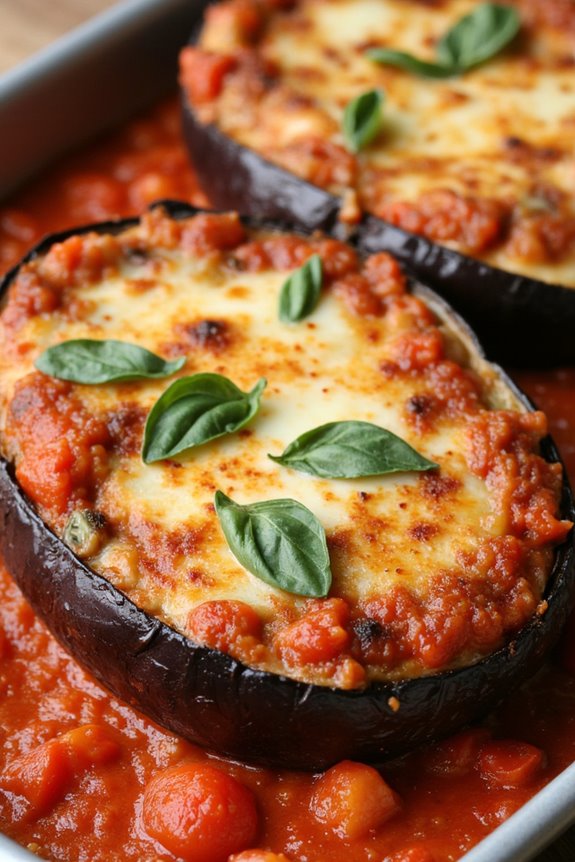
Baked Eggplant With Tomato and Basil is a delightful vegan dish that captures the essence of Greek cuisine. This recipe highlights the rich flavors of eggplant, enhanced by the sweetness of ripe tomatoes and the aromatic notes of fresh basil. Not only is it a feast for the eyes with its vibrant colors, but it’s also packed with nutrients, making it a healthy choice for any meal.
Perfect as a side dish or as a main course, this dish can be enjoyed by vegans and non-vegans alike. Preparing this dish is quite straightforward, making it an excellent option for those new to vegan cooking or for seasoned chefs looking to add a Greek twist to their repertoire. The combination of baked eggplant layered with fresh tomato sauce and basil creates a comforting meal that’s sure to please a crowd.
Serve it warm with crusty bread or over a bed of rice for a complete dining experience.
Ingredients (Serves 4-6):
- 2 large eggplants
- 4 ripe tomatoes, diced
- 1 large onion, chopped
- 4 cloves garlic, minced
- 1/4 cup fresh basil, chopped
- 1/4 cup olive oil
- Salt, to taste
- Black pepper, to taste
- 1 teaspoon dried oregano
- 1/2 teaspoon red pepper flakes (optional)
- Vegan cheese (optional, for topping)
Cooking Instructions:
- Prepare the Eggplant: Start by preheating your oven to 375°F (190°C). While the oven is heating, wash and slice the eggplants into 1/2 inch thick rounds. Salt the slices lightly and let them sit for about 20 minutes. This process helps draw out excess moisture and bitterness from the eggplant.
- Sauté the Aromatics: In a large skillet, heat the olive oil over medium heat. Add the chopped onion and sauté for about 5 minutes until it becomes translucent. Then, add the minced garlic and cook for an additional minute, stirring frequently to avoid burning.
- Prepare the Tomato Sauce: Add the diced tomatoes to the skillet with the onions and garlic. Stir in the chopped basil, oregano, red pepper flakes (if using), and season with salt and black pepper. Allow the mixture to simmer for about 10-15 minutes, until the tomatoes break down and the sauce thickens slightly.
- Layer the Ingredients: In a baking dish, arrange half of the eggplant slices in a single layer. Spoon half of the tomato sauce over the eggplant. Repeat the layers with the remaining eggplant and sauce. If you’re using vegan cheese, sprinkle it on top of the final layer of sauce.
- Bake the Dish: Cover the baking dish with aluminum foil and place it in the preheated oven. Bake for 30 minutes, then remove the foil and bake for an additional 15-20 minutes, or until the eggplants are tender and the top is slightly golden.
- Serve and Enjoy: Once baked, remove from the oven and let it cool for a few minutes. Garnish with additional fresh basil if desired. Serve warm and enjoy your delicious Baked Eggplant With Tomato and Basil!
Extra Tips:
For a deeper flavor, consider roasting the eggplant slices instead of baking them directly in the dish. Simply brush the slices with olive oil and roast them in the oven for about 15-20 minutes before assembling the layers.
Additionally, feel free to add other vegetables such as bell peppers or zucchini to the tomato sauce for more variety. This dish can be made ahead of time and reheated, making it a convenient option for meal prep.
