


As the leaves start to fall and the air gets a bit chillier, I find myself turning to Greek comfort food for that cozy feeling. There’s a unique warmth in dishes like moussaka and avgolemono soup, each one a gentle hug in every bite. The scent of kleftiko filling the kitchen just makes everything feel so inviting. Let’s take a little journey through some delightful Greek recipes that can make your fall evenings extra special.
Moussaka: A Hearty Classic
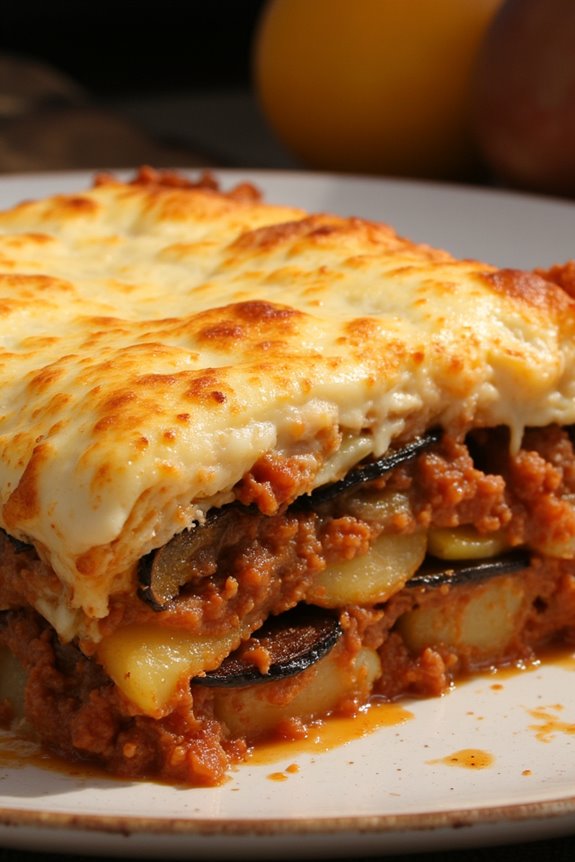
Moussaka is a beloved dish that embodies the essence of Greek comfort food. This layered casserole, often compared to lasagna, features rich flavors and textures, making it a perfect choice for cozy fall evenings. Traditionally, moussaka consists of layers of roasted eggplant, spiced ground meat, and a creamy béchamel sauce, all baked to perfection. Each bite is a delightful combination of savory meat, tender vegetables, and a velvety topping that melts in your mouth.
Making moussaka may take some time, but the end result is well worth the effort. This dish isn’t only filling but also versatile, allowing for variations depending on personal preferences or dietary restrictions. Whether served as a main course at a family gathering or a comforting meal for a quiet night in, moussaka is sure to warm your heart and satisfy your cravings.
Ingredients (Serves 4-6)
- 2 large eggplants, sliced into 1/2-inch thick rounds
- 1 pound ground lamb or beef
- 1 onion, finely chopped
- 2 cloves garlic, minced
- 1 can (14 ounces) crushed tomatoes
- 2 tablespoons tomato paste
- 1 teaspoon ground cinnamon
- 1 teaspoon dried oregano
- Salt and pepper to taste
- 3 tablespoons olive oil
- 2 large potatoes, peeled and sliced into 1/4-inch thick rounds
- 1 cup grated Parmesan cheese
- 1/2 cup milk
- 3 tablespoons butter
- 3 tablespoons all-purpose flour
- 2 large eggs, beaten
- Nutmeg (optional, for seasoning the béchamel)
Cooking Instructions
- Prepare the Eggplant: Preheat your oven to 400°F (200°C). Arrange the sliced eggplant on a baking sheet, sprinkle with salt, and let it sit for about 30 minutes to draw out moisture. This will help reduce bitterness. Rinse the salt off and pat the eggplant dry with a paper towel.
- Roast the Eggplant: Drizzle the eggplant slices with olive oil and place them in the preheated oven. Roast for about 20-25 minutes until they’re golden brown and tender. Remove from the oven and set aside.
- Cook the Potatoes: While the eggplant is roasting, boil the potato slices in salted water until just tender, about 5-7 minutes. Drain and set aside.
- Make the Meat Sauce: In a large skillet over medium heat, add a tablespoon of olive oil and sauté the chopped onion and garlic until they’re soft and fragrant. Add the ground lamb or beef, breaking it up with a spoon, and cook until browned. Stir in the crushed tomatoes, tomato paste, cinnamon, oregano, salt, and pepper. Let it simmer for about 15 minutes, allowing the flavors to meld.
- Prepare the Béchamel Sauce: In a saucepan, melt the butter over medium heat. Whisk in the flour and cook for 1-2 minutes until it turns golden. Slowly add the milk, whisking constantly to avoid lumps. Continue to cook until the sauce thickens, about 5 minutes. Remove from heat and stir in the beaten eggs and half of the Parmesan cheese. Season with a pinch of nutmeg if desired.
- Assemble the Moussaka: In a large baking dish, layer half of the potato slices on the bottom, followed by half of the roasted eggplant. Spread the meat sauce evenly over the eggplant, then layer the remaining eggplant and finish with the remaining potato slices. Pour the béchamel sauce over the top, spreading it evenly. Sprinkle the rest of the Parmesan cheese on top.
- Bake: Bake the moussaka in the oven at 350°F (175°C) for about 45-50 minutes, or until the top is golden and bubbly. Remove from the oven and allow it to cool for at least 15 minutes before serving to let the layers set.
Extra Tips
For an extra depth of flavor, consider adding a splash of red wine to the meat sauce while it simmers. If you prefer a vegetarian version, you can replace the ground meat with lentils or mushrooms. Additionally, letting the moussaka rest before slicing will help maintain its structure when serving. Enjoy your delicious homemade moussaka with a side of Greek salad or crusty bread for a complete meal!
Avgolemono Soup: Comfort in a Bowl
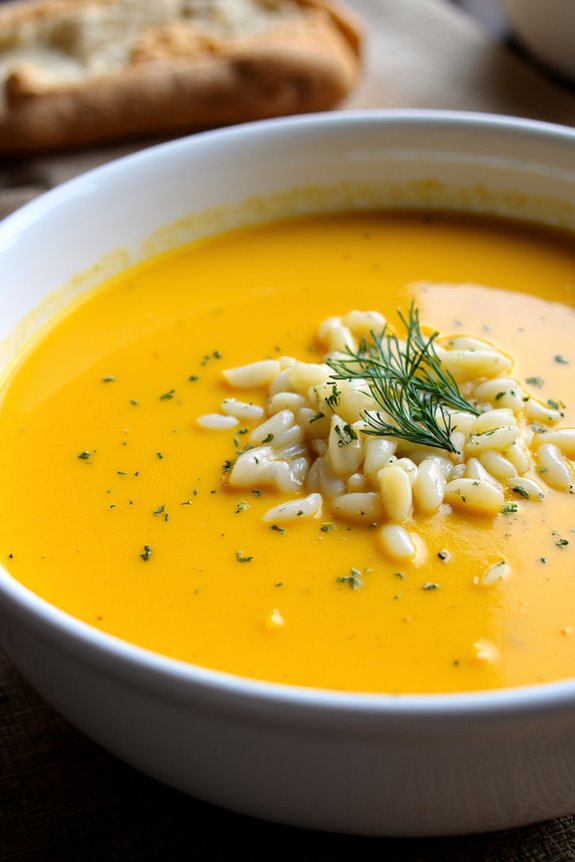
Avgolemono soup is a classic Greek dish that embodies warmth and comfort, making it a perfect choice for the fall season. This creamy and tangy soup is made with a delicate blend of chicken broth, eggs, and lemon juice, giving it a unique flavor profile that’s both invigorating and heartwarming.
Traditionally served as a starter or a light meal, Avgolemono is often enriched with rice or orzo pasta, making it a filling option to enjoy on chilly days.
The beauty of Avgolemono soup lies not only in its taste but also in its simplicity. The process of creating this dish involves careful temperature management to guarantee that the eggs don’t curdle when combined with the hot broth. The result is a velvety soup that’s both nourishing and satisfying.
Serve it with a sprinkle of fresh herbs and a slice of crusty bread, and you have a meal that truly captures the essence of Greek culinary tradition.
Ingredients (Serves 4-6)
- 6 cups chicken broth
- 1 cup uncooked rice or orzo pasta
- 3 large eggs
- 1/4 cup fresh lemon juice (about 2 lemons)
- Salt and pepper to taste
- Fresh parsley or dill for garnish (optional)
Cooking Instructions
- Prepare the Broth: In a large pot, bring the chicken broth to a gentle simmer over medium heat. This will serve as the base for your Avgolemono soup.
- Cook the Rice or Orzo: Once the broth is simmering, add the uncooked rice or orzo pasta. Cook according to package instructions, usually around 15-20 minutes, until tender. Stir occasionally to prevent sticking.
- Whisk the Eggs and Lemon: In a mixing bowl, whisk together the eggs and fresh lemon juice until well combined. This mixture will give the soup its signature creamy texture and tangy flavor.
- Temper the Egg Mixture: To prevent the eggs from curdling, slowly ladle about 1 cup of the hot broth into the egg and lemon mixture while continuously whisking. This step gradually raises the temperature of the eggs, allowing them to blend smoothly into the soup.
- Combine the Mixtures: Once tempered, carefully pour the egg mixture back into the pot with the remaining broth and rice or orzo. Stir gently to combine, and heat the soup on low for another 5 minutes, ensuring it doesn’t boil.
- Season and Serve: Taste the soup and season with salt and pepper as desired. Ladle the Avgolemono soup into bowls and garnish with freshly chopped parsley or dill, if using. Serve hot with crusty bread.
Extra Tips
When preparing Avgolemono soup, it’s important to keep the heat low once the egg mixture is added to avoid curdling.
If you find the soup too thick, you can add a little more broth or water to reach your desired consistency. For added depth of flavor, consider incorporating shredded cooked chicken into the soup for a heartier meal.
Enjoy this comforting dish with your loved ones, and don’t hesitate to experiment with the lemon juice to suit your taste preferences!
Stuffed Peppers and Tomatoes (Gemista)
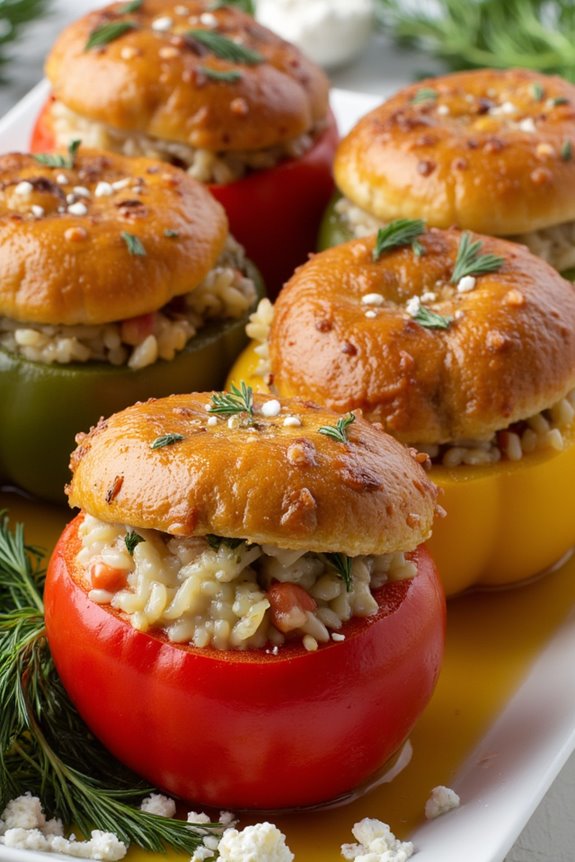
Gemista, a traditional Greek dish, is a delightful combination of rice, herbs, and spices stuffed into vibrant, juicy vegetables. As autumn approaches, this dish becomes a cozy favorite, offering a warm and hearty meal that’s both nutritious and satisfying. The name “Gemista” translates to “stuffed” in Greek, reflecting the essence of this recipe where peppers and tomatoes are filled with a flavorful mixture that captures the essence of fall.
Preparing Gemista isn’t only about the ingredients but also about the love and care that goes into each step. The dish is versatile and can accommodate various fillings, but the classic version typically features rice, ground meat, and an array of aromatic herbs. This recipe will guide you to create a delicious batch of Gemista that serves 4-6 people, perfect for a family gathering or a cozy dinner.
Ingredients:
- 4 large bell peppers (any color)
- 4 large tomatoes
- 1 cup uncooked rice (preferably short-grain)
- 1 lb ground beef or lamb (optional for a vegetarian version)
- 1 medium onion, finely chopped
- 3 cloves garlic, minced
- 1/2 cup fresh parsley, chopped
- 1/4 cup fresh dill, chopped
- 1/4 cup olive oil
- 1 tsp salt
- 1/2 tsp black pepper
- 1/2 tsp paprika
- 1 cup vegetable broth (or water)
- 1/2 cup grated feta cheese (optional)
Cooking Instructions:
- Preheat the Oven: Begin by preheating your oven to 375°F (190°C). This guarantees that your Gemista will cook evenly and develop a lovely golden crust as they bake.
- Prepare the Vegetables: Carefully slice the tops off the peppers and tomatoes, setting the tops aside. Gently scoop out the insides of the tomatoes, being careful not to break the skin. Chop the tomato flesh and reserve it for the filling. For the peppers, remove the seeds and membranes, making sure they’re clean and ready to be stuffed.
- Cook the Filling: In a large skillet, heat the olive oil over medium heat. Add the chopped onion and sauté until translucent, about 5-7 minutes. Stir in the minced garlic and cook for an additional minute until fragrant. If using ground meat, add it now and cook until browned, breaking it apart as it cooks.
- Combine Ingredients: Once the meat is cooked, stir in the rice, chopped tomato flesh, parsley, dill, salt, black pepper, and paprika. Mix all the ingredients well and cook for about 2-3 minutes, allowing the rice to absorb some flavors. Remove the skillet from heat.
- Stuff the Vegetables: Using a spoon, carefully fill each pepper and tomato with the rice mixture, packing it in gently but firmly. Leave a little space at the top, as the rice will expand while cooking. Place the stuffed vegetables upright in a baking dish.
- Add Broth and Bake: Pour the vegetable broth (or water) into the bottom of the baking dish, covering the base to keep the vegetables moist during baking. If you have the tops of the peppers and tomatoes, you can place them back on top. Cover the dish with aluminum foil and bake in the preheated oven for 45 minutes.
- Final Baking: After 45 minutes, remove the foil and bake for an additional 15-20 minutes, or until the peppers and tomatoes are tender and the tops are slightly golden. If desired, sprinkle grated feta cheese on top during the last 5 minutes of cooking.
- Serve: Once cooked, remove from the oven and allow to cool for a few minutes before serving. Enjoy your Gemista warm, drizzled with a bit of olive oil, and paired with a side salad or crusty bread.
Extra Tips:
When making Gemista, don’t hesitate to experiment with different fillings based on your preferences. You can add nuts, raisins, or even swap out the rice for quinoa or couscous for a unique twist.
Also, for a vegetarian version, simply omit the meat and add more vegetables or legumes to the filling. The key to achieving perfect Gemista is to ascertain the rice is partially cooked before stuffing, as it will absorb the flavors from the vegetables while baking. Enjoy the process and the wonderful aromas that will fill your kitchen!
Greek Lamb Stew With Vegetables
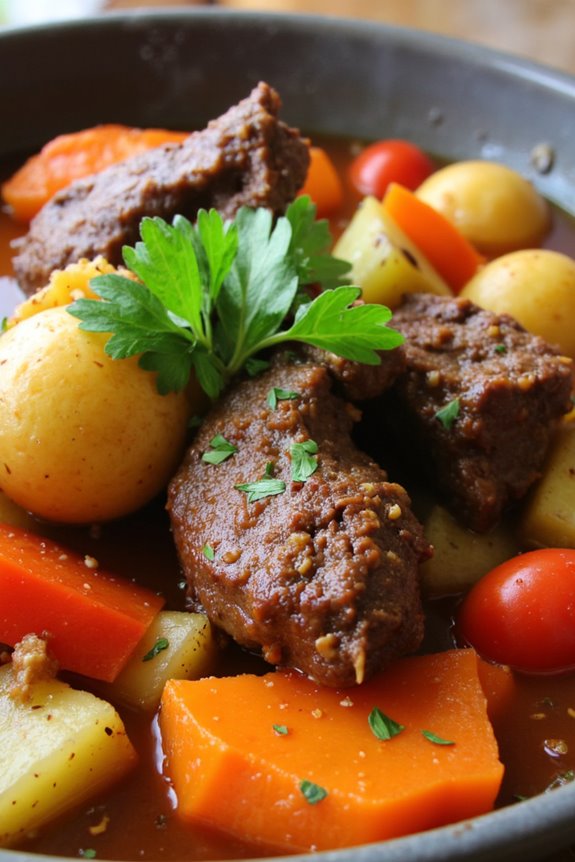
Greek Lamb Stew With Vegetables is a hearty and flavorful dish that epitomizes the comforting essence of Greek cuisine. As autumn settles in, the rich flavors of tender lamb combined with a medley of seasonal vegetables create a warm and inviting meal perfect for family gatherings.
This stew isn’t only satisfying but also allows the natural flavors of the ingredients to shine through, resulting in a dish that’s both delicious and nutritious.
To prepare this stew, you’ll be using a combination of tender lamb pieces, fresh vegetables, and aromatic herbs. The slow-cooking process allows the lamb to become incredibly tender while the vegetables absorb all the rich flavors of the broth.
Serve it with crusty bread or over a bed of rice for a complete meal that will warm your heart and fill your belly.
Ingredients (Serves 4-6)
- 2 lbs lamb shoulder, cut into 1.5-inch pieces
- 2 tablespoons olive oil
- 1 large onion, chopped
- 3 cloves garlic, minced
- 2 carrots, sliced
- 2 potatoes, diced
- 1 bell pepper, chopped
- 1 zucchini, sliced
- 1 can (14 oz) diced tomatoes
- 2 cups beef or vegetable broth
- 1 teaspoon dried oregano
- 1 teaspoon dried thyme
- Salt and pepper to taste
- Fresh parsley, chopped (for garnish)
Cooking Instructions
1. Brown the Lamb: In a large pot or Dutch oven, heat the olive oil over medium-high heat. Add the lamb pieces in batches, making sure not to overcrowd the pot. Sear the lamb on all sides until browned, about 5-7 minutes.
This step enhances the flavor of the stew by creating a rich base.
2. Sauté the Aromatics: Once the lamb is browned, remove it from the pot and set aside. In the same pot, add the chopped onion and garlic. Sauté for about 3-4 minutes, until the onion becomes translucent and fragrant.
This will infuse the stew with a deep aromatic flavor.
3. Add Vegetables: Stir in the carrots, potatoes, bell pepper, and zucchini. Cook for another 5 minutes, allowing the vegetables to soften slightly.
This step adds texture and depth to the stew.
4. Combine Ingredients: Return the browned lamb to the pot. Add the diced tomatoes (with their juice), broth, oregano, thyme, salt, and pepper. Stir well to combine all ingredients.
The liquid will help cook the lamb and vegetables evenly.
5. Simmer the Stew: Bring the mixture to a gentle boil, then reduce the heat to low. Cover the pot and let it simmer for about 1.5 to 2 hours, or until the lamb is tender and the flavors meld beautifully.
Stir occasionally and add more broth if necessary to keep the mixture from becoming too thick.
6. Final Touches: Once the lamb is tender, taste and adjust seasoning if needed. Remove from heat and let the stew rest for a few minutes before serving.
Garnish with fresh parsley for a burst of color and flavor.
Extra Tips
For a richer flavor, consider marinating the lamb in a mixture of olive oil, lemon juice, garlic, and herbs for a few hours or overnight before cooking.
Additionally, feel free to customize the vegetables based on what’s in season or what you have on hand. Adding a splash of red wine during the simmering process can enhance the depth of flavor even further.
Finally, this stew tastes even better the next day, so make extra for leftovers!
Spanakopita: Spinach and Feta Pie
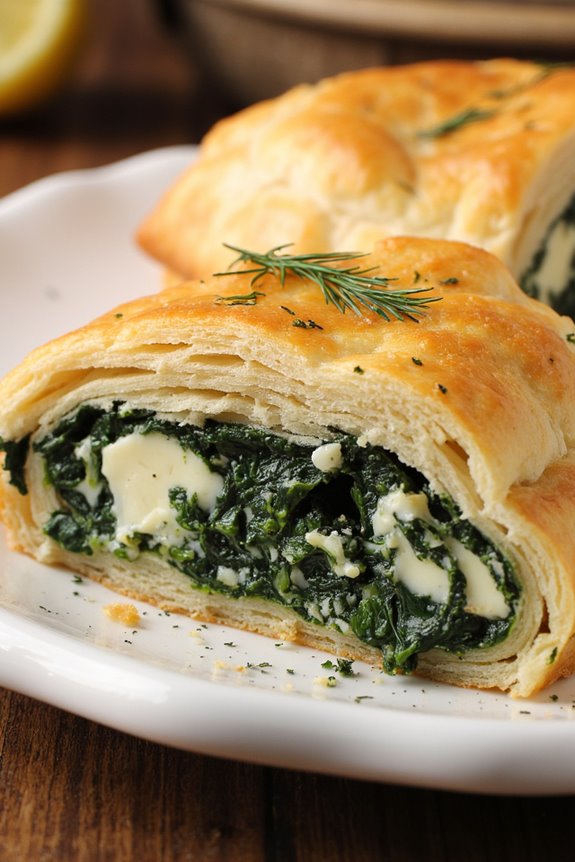
Spanakopita, a beloved Greek dish, is a delightful pastry filled with a savory mixture of spinach, feta cheese, and herbs, all wrapped in layers of flaky phyllo dough. This traditional pie is perfect for any occasion, whether it’s a family gathering, a festive celebration, or simply a cozy dinner at home.
The combination of the earthy spinach and the tangy feta creates a rich flavor profile that’s both comforting and satisfying, making it a favorite among both vegetarians and meat lovers alike.
Preparing Spanakopita may seem intimidating due to the phyllo dough, but with a little patience and practice, you can master this classic recipe. The key is to keep the phyllo covered with a damp cloth while you work to prevent it from drying out.
This dish can be served hot or at room temperature, making it a versatile option for appetizers or main courses. Let’s explore the ingredients and instructions to create your very own Spanakopita.
Ingredients (serves 4-6 people):
- 1 pound fresh spinach, washed and chopped
- 1 cup feta cheese, crumbled
- 1/2 cup ricotta cheese
- 1/2 cup green onions, chopped (or 1 small onion, finely chopped)
- 2 cloves garlic, minced
- 1/4 cup fresh dill, chopped (or 1 tablespoon dried dill)
- 1/4 cup olive oil
- 1 package (16 oz) phyllo dough, thawed
- 1 large egg, beaten (for egg wash)
- Salt and pepper to taste
Cooking Instructions:
1. Prepare the Spinach Mixture: In a large skillet over medium heat, add a splash of olive oil and sauté the chopped green onions (or onion) until translucent, about 3-4 minutes. Add the minced garlic and cook for an additional 1 minute until fragrant. Stir in the chopped spinach and cook until wilted, about 5-7 minutes. Remove from heat and let cool slightly.
2. Mix the Filling: In a large bowl, combine the cooked spinach mixture, crumbled feta cheese, ricotta cheese, dill, and season with salt and pepper. Mix well until all ingredients are evenly incorporated.
3. Prepare Phyllo Dough: Preheat your oven to 375°F (190°C). Unroll the phyllo dough and cover it with a damp towel to prevent it from drying out. On a clean surface, lay one sheet of phyllo dough and brush lightly with olive oil. Layer 4-5 more sheets on top, brushing each layer with olive oil.
4. Assemble the Pie: Once you have your layered phyllo sheets, place about 1 cup of the spinach and feta mixture along one edge of the phyllo. Fold the edges over the filling and roll the dough tightly to form a log or spiral shape. Place the rolled pie seam-side down on a baking sheet lined with parchment paper.
Repeat the process with the remaining phyllo and filling.
5. Bake the Spanakopita: Brush the tops of the assembled pies with the beaten egg to give them a golden color while baking. Bake in the preheated oven for about 30-35 minutes or until the phyllo is crispy and golden brown. Remove from the oven and let cool slightly before slicing.
6. Serve and Enjoy**: Cut the Spanakopita into wedges and serve** warm or at room temperature. Enjoy your homemade Greek spinach and feta pie!
Extra Tips:
When working with phyllo dough, be sure to keep it covered with a damp cloth to avoid it drying out and becoming brittle.
If you have leftover filling, consider using it as a topping for salads or as a filling for other pastries. Additionally, feel free to experiment with the herbs or add some sautéed mushrooms or other vegetables for a unique twist on the classic Spanakopita.
Enjoy the process of making this delicious dish, and don’t hesitate to share it with friends and family!
Baked Orzo With Cheese and Herbs

Baked Orzo With Cheese and Herbs is a comforting and flavorful dish that perfectly captures the essence of Greek cuisine. This savory dish combines tender orzo pasta with a rich blend of cheeses, fresh herbs, and spices, all baked to perfection. It’s ideal for fall gatherings or cozy family dinners, bringing warmth and satisfaction to your table.
The dish isn’t only easy to prepare but also offers a delightful way to enjoy the aromatic flavors of Greek herbs.
What makes this baked orzo stand out is its versatility; you can easily customize it by adding your favorite ingredients, such as sautéed vegetables or cooked meats. The creamy cheese melts beautifully, creating a luscious texture that pairs wonderfully with the al dente orzo.
Whether served as a side dish or a main course, Baked Orzo With Cheese and Herbs is destined to become a favorite in your fall recipe collection.
Ingredients (Serves 4-6)
- 2 cups orzo pasta
- 4 cups vegetable or chicken broth
- 1 cup shredded mozzarella cheese
- 1 cup crumbled feta cheese
- 1/2 cup grated Parmesan cheese
- 1/4 cup chopped fresh parsley
- 1/4 cup chopped fresh basil
- 2 cloves garlic, minced
- 1 teaspoon dried oregano
- 1/2 teaspoon salt
- 1/4 teaspoon black pepper
- 1/4 cup olive oil
- 1/2 cup breadcrumbs (optional for topping)
Cooking Instructions
- Preheat the Oven: Start by preheating your oven to 375°F (190°C). This will guarantee that your dish cooks evenly and achieves a golden, bubbly top.
- Cook the Orzo: In a large pot, bring the broth to a boil. Add the orzo and cook according to package instructions until al dente, typically around 8-10 minutes. Drain the orzo and set it aside.
- Mix the Ingredients: In a large mixing bowl, combine the cooked orzo with the mozzarella cheese, feta cheese, Parmesan cheese, chopped parsley, chopped basil, minced garlic, oregano, salt, and pepper. Drizzle in the olive oil and mix until all ingredients are well combined.
- Transfer to Baking Dish: Pour the orzo mixture into a greased 9×13 inch baking dish, spreading it evenly. If desired, sprinkle breadcrumbs over the top to create a crunchy texture.
- Bake: Place the baking dish in the preheated oven and bake for 25-30 minutes, or until the cheese is melted and the top is golden brown. Keep an eye on it to prevent over-browning.
- Serve: Once baked, remove the dish from the oven and let it cool for a few minutes before serving. Garnish with additional fresh herbs if desired.
Extra Tips
For added flavor, consider incorporating sautéed vegetables such as spinach, bell peppers, or mushrooms into the mixture before baking. If you prefer a creamier consistency, you can mix in a splash of heavy cream or Greek yogurt along with the cheese.
Additionally, feel free to experiment with different cheeses, such as goat cheese or Gruyère, to create your own unique twist on this classic dish. Enjoy your Baked Orzo With Cheese and Herbs as a cozy fall meal that everyone will rave about!
Chicken Souvlaki With Tzatziki Sauce
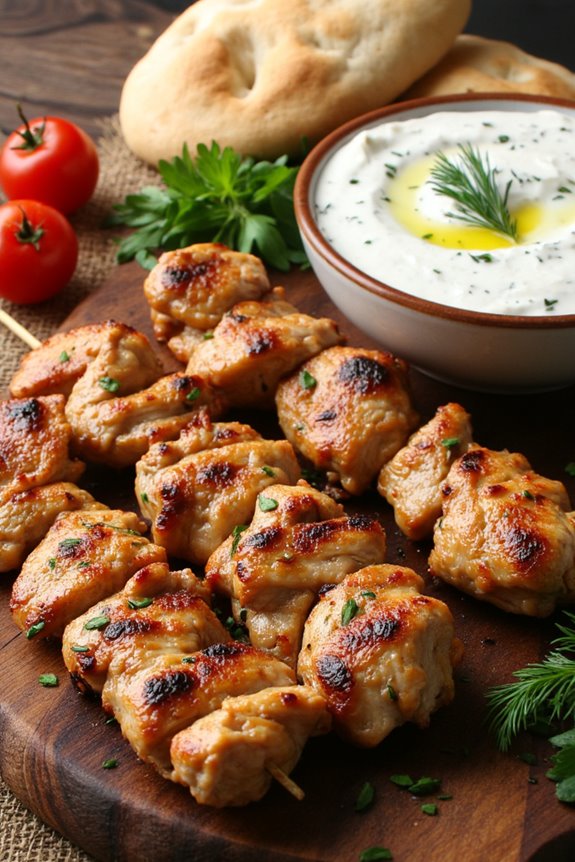
As the leaves start to turn and the air cools, there’s nothing quite like a warm, flavorful meal to embrace the essence of fall. Chicken Souvlaki with Tzatziki Sauce is a classic Greek dish that perfectly combines the flavors of marinated grilled chicken with a revitalizing yogurt sauce.
Souvlaki, a popular street food in Greece, is made by skewering marinated chicken pieces and grilling them to juicy perfection. The accompanying Tzatziki sauce, made from yogurt, cucumber, and herbs, adds a cool, creamy contrast that rounds out the dish beautifully.
This recipe isn’t only delicious but also relatively simple to prepare. Whether you’re hosting a gathering or enjoying a cozy family dinner, Chicken Souvlaki with Tzatziki Sauce is sure to impress. The vibrant flavors will transport you to a sunny Mediterranean locale, making it a fantastic choice for fall evenings spent around the dining table.
Let’s gather our ingredients and immerse ourselves in the cooking process!
Ingredients (Serves 4-6):
- 1.5 pounds boneless, skinless chicken breasts
- 1/4 cup olive oil
- 3 tablespoons fresh lemon juice
- 3 cloves garlic, minced
- 1 teaspoon dried oregano
- 1 teaspoon salt
- 1/2 teaspoon black pepper
- 1/2 teaspoon paprika
- 1/2 teaspoon cumin
- 6 wooden or metal skewers (if using wooden skewers, soak them in water for 30 minutes before use)
For the Tzatziki Sauce:
- 1 cup plain Greek yogurt
- 1/2 cucumber, grated and drained
- 2 cloves garlic, minced
- 1 tablespoon fresh dill, chopped
- 1 tablespoon olive oil
- 1 tablespoon fresh lemon juice
- Salt and pepper to taste
Cooking Instructions:
- Prepare the Marinade: In a large bowl, combine olive oil, lemon juice, minced garlic, oregano, salt, black pepper, paprika, and cumin. Whisk the ingredients together until well blended. This marinade will infuse the chicken with flavor, making it juicy and delicious when grilled.
- Marinate the Chicken: Cut the chicken breasts into uniform cubes, about 1 to 1.5 inches in size. Add the chicken pieces to the marinade, ensuring they’re evenly coated. Cover the bowl with plastic wrap and refrigerate for at least 30 minutes, or up to 2 hours for more flavor. This step allows the chicken to absorb the marinade and enhances its taste.
- Prepare the Tzatziki Sauce: While the chicken is marinating, prepare the Tzatziki sauce. In a medium bowl, combine Greek yogurt, grated cucumber (make sure to squeeze out excess moisture), minced garlic, dill, olive oil, lemon juice, salt, and pepper. Mix well until all ingredients are incorporated. This sauce can be made ahead of time and stored in the refrigerator until ready to serve.
- Skewer the Chicken: Once the chicken has marinated, take the skewers and thread the chicken pieces onto them, leaving a little space between each piece for even cooking. If using metal skewers, you can skip the soaking step.
- Grill the Chicken: Preheat your grill to medium-high heat. Place the skewers on the grill and cook for about 10-12 minutes, turning occasionally, until the chicken is cooked through and has nice grill marks. The internal temperature should reach 165°F (75°C).
- Serve: Once cooked, remove the chicken souvlaki from the grill and let it rest for a few minutes. Serve the skewers with a generous side of Tzatziki sauce, along with pita bread and a fresh Greek salad for a complete meal.
Extra Tips:
For added flavor, consider marinating the chicken overnight for a more intense taste. You can also customize the skewers by adding bell peppers, onions, or cherry tomatoes for extra color and flavor.
If you don’t have a grill, you can cook the chicken souvlaki in a grill pan on the stovetop or bake them in the oven at 400°F (200°C) for about 20-25 minutes, turning halfway through for even cooking.
Enjoy your delicious Chicken Souvlaki with Tzatziki Sauce!
Fakes: Greek Lentil Soup
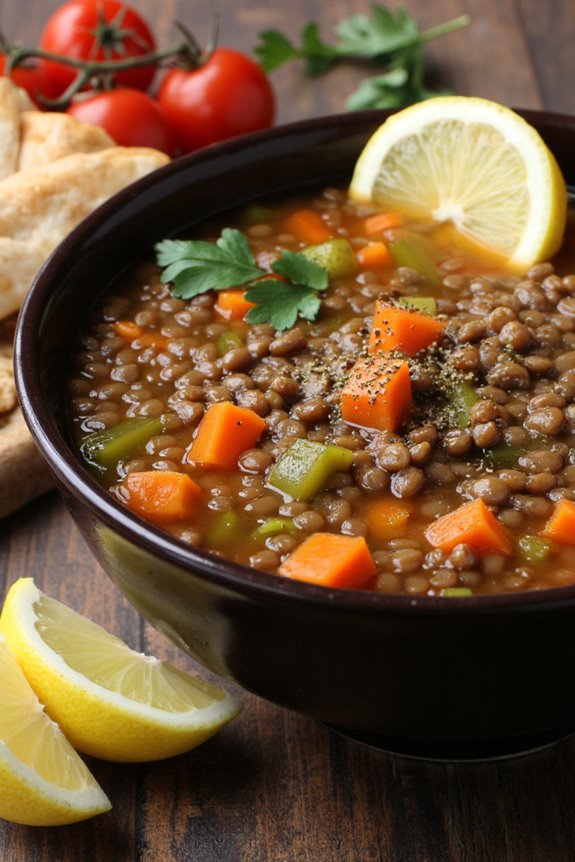
Fakes, or Greek lentil soup, is a hearty and nutritious dish that’s perfect for the fall season. This traditional Greek recipe isn’t only simple to prepare but also offers a warm and comforting meal that can be enjoyed by the whole family. Lentils are rich in protein, fiber, and essential nutrients, making this soup a wholesome option for lunch or dinner.
The combination of earthy lentils with aromatic vegetables and spices creates a delightful and satisfying flavor profile that’s bound to please. This dish can be easily adapted to suit your taste preferences, whether you prefer a spicier kick or a more citrusy flavor.
Fakes is often served with a drizzle of olive oil and a squeeze of lemon, enhancing its flavors and making it a truly invigorating meal. Typically enjoyed with crusty bread on the side, this lentil soup is a staple in Greek households, particularly during the cooler months when warmth and nourishment are essential.
Ingredients (Serves 4-6):
- 1 cup green or brown lentils, rinsed and drained
- 1 large onion, finely chopped
- 2 cloves garlic, minced
- 2 medium carrots, diced
- 2 celery stalks, diced
- 1 can (14 oz) diced tomatoes
- 4 cups vegetable broth or water
- 1 bay leaf
- 1 teaspoon dried oregano
- 1 teaspoon ground cumin
- Salt and pepper, to taste
- 1/4 cup extra virgin olive oil
- Lemon wedges, for serving
- Fresh parsley, chopped (optional, for garnish)
Cooking Instructions:
- Sauté the Vegetables: In a large pot, heat the olive oil over medium heat. Add the chopped onion, garlic, carrots, and celery. Sauté for about 5-7 minutes, or until the vegetables are softened and the onion is translucent. This step helps to build a flavorful base for your soup.
- Add the Lentils and Spices: Stir in the rinsed lentils, bay leaf, dried oregano, and ground cumin. Cook for an additional 2-3 minutes while stirring, allowing the spices to toast slightly and release their aromas.
- Incorporate the Tomatoes and Broth: Pour in the diced tomatoes (with their juices) and the vegetable broth or water. Stir well to combine all the ingredients. The liquid will help the lentils cook evenly and add rich flavor to the soup.
- Simmer the Soup: Bring the mixture to a boil, then reduce the heat to low. Cover the pot and let it simmer for about 30-35 minutes, or until the lentils are tender. Stir occasionally to prevent sticking and guarantee even cooking.
- Season and Serve: Once the lentils are cooked through, remove the bay leaf and season the soup with salt and pepper to taste. If desired, you can add a little more olive oil for richness. Ladle the soup into bowls, garnishing with fresh parsley and serving lemon wedges on the side for squeezing over the top.
Extra Tips: To enhance the flavor of your Fakes, consider adding a splash of red wine to the pot after sautéing the vegetables, allowing it to cook down before adding the lentils and broth. Additionally, feel free to incorporate other vegetables such as spinach or kale for extra nutrition.
This soup can be made ahead of time and stored in the refrigerator for a few days, as it often tastes even better the next day when the flavors have melded together.
Kleftiko: Slow-Cooked Lamb With Potatoes

Kleftiko, a traditional Greek dish, is a delightful combination of slow-cooked lamb and tender potatoes, infused with aromatic herbs and spices. The name “Kleftiko” originates from the Greek word “kleftes,” referring to the bandits who used to cook their lamb in sealed pits to avoid detection. This method of cooking results in succulent, fall-off-the-bone meat that’s perfect for sharing with family and friends.
The slow cooking process allows the flavors to meld beautifully, making it an ideal dish for autumn gatherings. To create this culinary masterpiece, you’ll need a few essential ingredients that bring out the best in your lamb. The slow-cooking method guarantees that each bite is bursting with flavor, while the potatoes absorb the savory juices and become irresistibly creamy.
Serve Kleftiko with a fresh Greek salad and some crusty bread for a complete meal that showcases the essence of Greek cuisine.
Ingredients (Serves 4-6):
- 2 kg lamb shoulder, bone-in
- 1 kg potatoes, peeled and cut into large chunks
- 4 cloves garlic, minced
- 2 large onions, sliced
- 2-3 lemons (juiced)
- 1 cup olive oil
- 1 tablespoon dried oregano
- 1 tablespoon dried thyme
- Salt and pepper to taste
- Fresh parsley for garnish (optional)
Cooking Instructions:
- Prepare the Marinade: In a large bowl, combine the minced garlic, lemon juice, olive oil, oregano, thyme, salt, and pepper. Whisk together until well blended. This marinade won’t only flavor the lamb but also tenderize it as it sits.
- Marinate the Lamb: Place the lamb shoulder into the bowl with the marinade, making certain it’s well-coated. Cover the bowl with plastic wrap and refrigerate for at least 2 hours, or preferably overnight. This step is vital for allowing the flavors to penetrate the meat.
- Preheat the Oven: Preheat your oven to 160°C (320°F). A slow and low cooking temperature is key to achieving tender lamb.
- Layer the Ingredients: In a large roasting pan, spread the sliced onions evenly across the bottom. Next, arrange the potato chunks on top of the onions. This will create a flavorful base for the dish.
- Add the Lamb: Remove the marinated lamb from the refrigerator and place it on top of the potatoes and onions in the roasting pan. Pour any remaining marinade over the lamb and potatoes to enhance the flavor.
- Cover and Cook: Cover the roasting pan tightly with aluminum foil or a lid. This will trap steam and help the lamb cook evenly. Place it in the preheated oven and let it cook for about 3-4 hours, or until the lamb is tender and easily pulls apart with a fork.
- Final Touch: Once cooked, remove the cover and increase the oven temperature to 200°C (392°F). Cook for an additional 20-30 minutes to allow the lamb to brown and the potatoes to crisp up slightly.
- Serve: Once done, remove the Kleftiko from the oven and let it rest for about 10 minutes. Garnish with fresh parsley if desired. Serve hot with the potatoes and onions, and enjoy!
Extra Tips:
For an even richer flavor, consider adding a splash of white wine to the marinade or including some diced tomatoes in the pot before cooking.
Additionally, if you’re short on time, you can sear the lamb in a hot pan for a few minutes before marinating to enhance the depth of flavor. Remember to taste and adjust the seasoning before serving; each cut of lamb may vary in flavor and tenderness, and you want to guarantee a delicious outcome!
Greek Meatballs (Keftedes) in Tomato Sauce

Greek Meatballs, or Keftedes, are a delicious and comforting dish that’s perfect for fall. These meatballs are traditionally made with a mix of ground meat, herbs, and spices, then simmered in a rich, flavorful tomato sauce. The combination of tender meatballs and zesty sauce makes for a satisfying meal that can be enjoyed with crusty bread or over a bed of rice or pasta.
This dish isn’t only a crowd-pleaser but also a wonderful way to bring the warmth of Greek cuisine into your home during the cooler months.
To enhance the authentic flavors of Keftedes, fresh herbs such as parsley and mint are often used, along with a hint of cinnamon for a unique twist. The meatballs are typically fried until golden brown before being submerged in the tomato sauce, allowing them to soak up the rich flavors while cooking.
Whether you’re serving a family dinner or entertaining guests, Greek Meatballs in Tomato Sauce is sure to impress with its delightful taste and aroma.
Ingredients (Serves 4-6)
- 1 pound ground beef or lamb
- 1/2 cup breadcrumbs
- 1/4 cup grated Parmesan cheese
- 1/4 cup finely chopped fresh parsley
- 1/4 cup finely chopped fresh mint
- 1 garlic clove, minced
- 1 teaspoon ground cinnamon
- 1 teaspoon salt
- 1/2 teaspoon black pepper
- 1 large egg
- 1 can (28 ounces) crushed tomatoes
- 2 tablespoons olive oil
- 1 onion, finely chopped
- 1 teaspoon sugar (optional)
- Fresh basil leaves for garnish (optional)
Cooking Instructions
- Prepare the Meatball Mixture: In a large bowl, combine the ground meat, breadcrumbs, Parmesan cheese, parsley, mint, minced garlic, cinnamon, salt, pepper, and egg. Mix the ingredients thoroughly using your hands or a spoon until everything is well incorporated.
- Form the Meatballs: With your hands, shape the mixture into small meatballs, approximately 1 inch in diameter. Place the formed meatballs on a plate or baking sheet.
- Cook the Meatballs: In a large skillet, heat the olive oil over medium heat. Once hot, add the meatballs in batches (do not overcrowd the pan) and cook until they’re browned on all sides, about 5-7 minutes. Once browned, remove the meatballs from the skillet and set them aside.
- Prepare the Tomato Sauce: In the same skillet, add the chopped onion and sauté until it becomes translucent, about 3-5 minutes. Pour in the crushed tomatoes and stir well. If desired, add sugar to balance the acidity of the tomatoes. Season with a pinch of salt and pepper.
- Simmer the Meatballs: Return the browned meatballs to the skillet with the tomato sauce. Gently nestle them into the sauce and let them simmer on low heat for about 20-25 minutes, allowing the meatballs to absorb the flavors.
- Serve: Once the meatballs are cooked through and the sauce is thickened, remove from heat. Serve the meatballs hot, garnished with fresh basil leaves if desired, alongside crusty bread, rice, or pasta.
Extra Tips
When preparing Greek Meatballs in Tomato Sauce, it’s crucial to confirm that the meatballs aren’t overcrowded in the skillet while cooking, as this can cause them to steam rather than brown.
For a richer flavor, consider letting the sauce simmer for a bit longer before adding the meatballs. Additionally, feel free to experiment with other herbs or spices based on your taste preferences.
And if you have leftovers, the dish tastes even better the next day as the flavors continue to meld!
Bougatsa: Sweet or Savory Custard Pastry

Bougatsa is a traditional Greek pastry that can be filled with either sweet custard or savory fillings, such as cheese or minced meat. Originating from the northern region of Greece, particularly Thessaloniki, this flaky pastry is enjoyed as a breakfast dish or snack at any time of the day.
The golden, crispy layers of phyllo dough enveloping a creamy filling create a delightful contrast in texture and flavor, making bougatsa a beloved comfort food in Greek cuisine.
Whether you choose to make the sweet version with creamy custard and a dusting of powdered sugar, or the savory version with a cheesy filling, bougatsa is sure to please a crowd. This recipe is designed to serve 4-6 people, making it perfect for family gatherings or a cozy brunch with friends.
Let’s explore the ingredients and the steps to create this delicious Greek pastry.
Ingredients
- 1 package of phyllo dough (16 oz)
- 1 cup of unsalted butter, melted
- 2 cups of milk
- 1 cup of granulated sugar (for sweet version) or 1 cup of crumbled feta cheese (for savory version)
- 4 large eggs
- 1/4 cup of cornstarch
- 1 teaspoon of vanilla extract (for sweet version)
- 1/2 teaspoon of salt (for savory version)
- Powdered sugar for dusting (for sweet version)
- Ground cinnamon (for sweet version)
Cooking Instructions
- Prepare the Filling: In a medium saucepan, heat the milk over medium heat until it’s warm but not boiling. In a separate bowl, whisk together the eggs, sugar (or feta for savory), cornstarch, and vanilla (if making the sweet version). Gradually whisk the warm milk into the egg mixture until well combined. Return the mixture to the saucepan and cook over low heat, stirring constantly until it thickens to a custard-like consistency. Remove from heat and let it cool.
- Prepare the Phyllo Dough: Preheat your oven to 350°F (175°C). Unroll the phyllo dough and cover it with a damp kitchen towel to prevent it from drying out. Prepare a baking dish (approximately 9×13 inches) by greasing it lightly with melted butter.
- Layer the Phyllo Dough: Take one sheet of phyllo dough and brush it with melted butter. Lay another sheet on top and brush it again with butter. Repeat this process until you have 5-6 layers of phyllo dough in the baking dish, making sure to butter each layer generously.
- Add the Filling: Once the phyllo layers are ready, pour the prepared filling evenly over the phyllo base. Spread it out gently to guarantee an even layer.
- Top with Phyllo Dough: Continue layering the remaining phyllo sheets over the filling, buttering each layer as you did before. Aim for 5-6 additional layers on top to create a nice, flaky crust.
- Bake the Bougatsa: Once all layers are assembled, use a sharp knife to cut the top layer of phyllo into squares or diamond shapes, being careful not to slice all the way through to the filling. Bake in the preheated oven for 30-40 minutes, or until the top is golden brown and crispy.
- Serve: Allow the bougatsa to cool for a few minutes before dusting with powdered sugar and ground cinnamon (for the sweet version) or serving warm (for the savory version). Cut along the pre-scored lines and enjoy!
Extra Tips
When making bougatsa, it’s crucial to work quickly with the phyllo dough, as it tends to dry out rapidly.
If you’re making the sweet version, don’t skimp on the butter; it’s what gives the pastry its signature flaky texture. For the savory variant, feel free to add herbs or spices to the cheese filling for added flavor.
Bougatsa is best enjoyed fresh out of the oven, but you can store leftovers in an airtight container in the refrigerator for a couple of days—just reheat in the oven before serving to restore the crispiness!
