


When I think of comfort food, Greek oven-baked dishes are always at the top of my list. The layers of moussaka and the flaky spanakopita bring a cozy vibe to my kitchen. These recipes capture the rich flavors of the Mediterranean and are perfect for make-ahead meals. As the delicious aromas fill my home, I’m excited to decide which dish to share first. It’s all about bringing everyone together with good food.
Moussaka
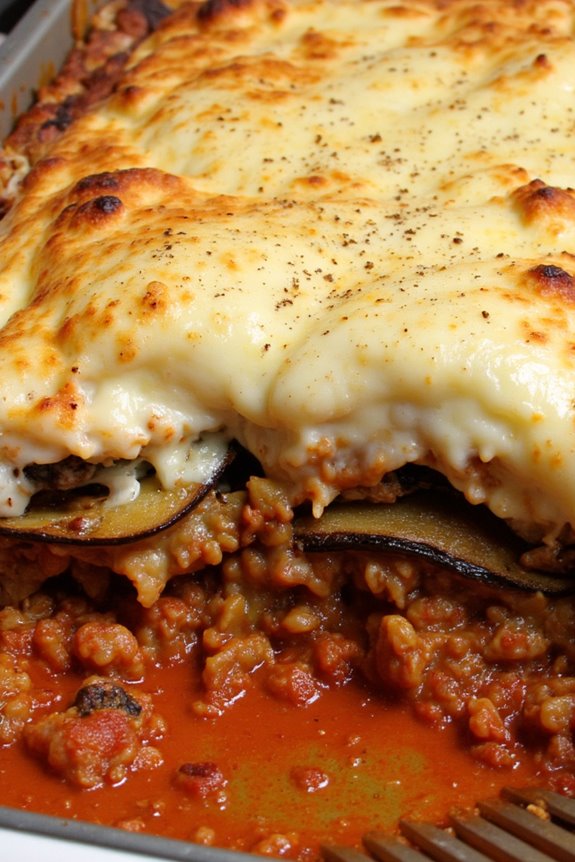
Moussaka is a beloved Greek dish that combines layers of eggplant, spiced meat, and creamy béchamel sauce, all baked to perfection in the oven. This hearty casserole isn’t just a meal; it’s a celebration of flavors and textures that showcases the essence of Mediterranean cuisine.
Traditionally, moussaka is made with ground lamb or beef, but you can easily adapt the recipe to use your preferred meat or even a vegetarian alternative. The dish is perfect for gatherings, as it can be made ahead of time and serves several people.
The preparation of moussaka involves several steps, including roasting eggplant, cooking the meat, and preparing the béchamel sauce. While it may seem like a labor-intensive dish, the results are well worth the effort. Each layer melds together beautifully, creating a comforting and satisfying meal that’s sure to impress family and friends alike.
Get ready to indulge in this Greek classic that will transport you straight to the sun-soaked shores of Greece.
Ingredients (Serves 4-6):
- 2 large eggplants
- 1 lb (450 g) ground beef or lamb
- 1 medium onion, finely chopped
- 2 cloves garlic, minced
- 1 can (14 oz) crushed tomatoes
- 2 tablespoons tomato paste
- 1 teaspoon dried oregano
- 1 teaspoon ground cinnamon
- Salt and pepper to taste
- 3 tablespoons olive oil
- 1 cup milk
- 1/2 cup all-purpose flour
- 1/4 cup grated Parmesan cheese
- 2 large eggs
- 1/4 teaspoon nutmeg (optional)
Cooking Instructions:
- Prepare the Eggplant: Begin by slicing the eggplants into 1/2 inch thick rounds. Sprinkle them with salt and let them sit in a colander for about 30 minutes to draw out excess moisture. Rinse and pat dry with paper towels. This step helps reduce bitterness and improves texture.
- Roast the Eggplant: Preheat the oven to 400°F (200°C). Arrange the eggplant slices on a baking sheet lined with parchment paper. Drizzle with olive oil and roast in the oven for about 20-25 minutes, flipping halfway through until they’re golden and tender. Set aside to cool.
- Cook the Meat Mixture: In a large skillet, heat 2 tablespoons of olive oil over medium heat. Add the chopped onion and sauté until translucent, about 5 minutes. Stir in the minced garlic and cook for another minute. Add the ground meat and cook until browned, breaking it apart with a spoon. Drain any excess fat.
- Add Tomatoes and Spices: Once the meat is cooked, stir in the crushed tomatoes, tomato paste, oregano, cinnamon, salt, and pepper. Simmer the mixture for about 15-20 minutes, allowing the flavors to meld together. Remove from heat and set aside.
- Make the Béchamel Sauce: In a saucepan, melt 3 tablespoons of butter over medium heat. Whisk in the flour and cook for about 2 minutes to form a roux. Gradually whisk in the milk, stirring constantly until the sauce thickens, about 5-7 minutes. Remove from heat and stir in the Parmesan cheese, beaten eggs, and nutmeg if using.
- Assemble the Moussaka: In a greased baking dish, layer half of the roasted eggplant on the bottom. Spoon the meat mixture evenly over the eggplant. Place the remaining eggplant slices on top, followed by the béchamel sauce, spreading it evenly over the entire dish.
- Bake: Preheat the oven to 350°F (175°C). Bake the moussaka for about 45 minutes, or until the top is golden and bubbly. Allow it to cool for about 15-20 minutes before serving.
Extra Tips:
For the best flavor, consider preparing the moussaka a day in advance and letting it sit in the refrigerator overnight. This allows the flavors to deepen and meld together.
When reheating, cover it with foil to prevent the top from burning. Additionally, you can experiment with adding layers of sautéed zucchini or potatoes for a creative twist on this classic dish.
Enjoy your homemade moussaka with a fresh salad and crusty bread for a complete meal!
Pastitsio
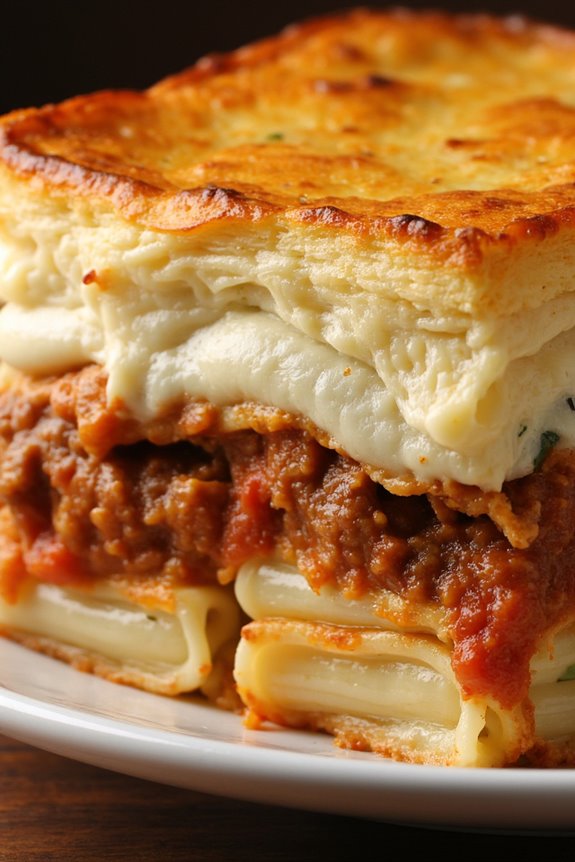
Pastitsio is a beloved Greek oven-baked dish that combines layers of pasta, a hearty meat sauce, and a creamy béchamel topping, resulting in a comforting and satisfying meal. Often compared to lasagna, Pastitsio has its own unique flavor profile thanks to the use of spices like cinnamon and nutmeg, which are traditionally found in Greek cuisine.
Perfect for gatherings or family dinners, this dish brings warmth and a taste of Greece to your table.
Preparing Pastitsio may seem like a lengthy process, but each step is worth the effort. The rich, flavorful layers come together beautifully as they bake, creating a golden, bubbling top that will have everyone reaching for seconds.
Serve it with a fresh salad or crusty bread, and you have a complete meal that showcases the essence of Greek cooking.
Ingredients (Serves 4-6):
- 500g (1 lb) penne or tubular pasta
- 500g (1 lb) ground beef or lamb
- 1 large onion, finely chopped
- 2 cloves garlic, minced
- 400g (14 oz) canned crushed tomatoes
- 2 tablespoons tomato paste
- 1 teaspoon ground cinnamon
- 1 teaspoon ground nutmeg
- Salt and pepper to taste
- 2 tablespoons olive oil
- 2 cups milk
- 50g (1/2 cup) unsalted butter
- 1/2 cup all-purpose flour
- 2 large eggs
- 1 cup grated Parmesan cheese
- 1/2 cup grated kefalotyri or pecorino cheese (optional)
Cooking Instructions:
- Preheat the oven: Start by preheating your oven to 180°C (350°F). This guarantees that your Pastitsio bakes evenly and achieves that perfect golden crust on top.
- Cook the pasta: Bring a large pot of salted water to a boil. Add the pasta and cook until al dente, about 8-10 minutes, as it will continue to cook in the oven. Drain the pasta and set it aside.
- Prepare the meat sauce: In a large skillet, heat the olive oil over medium heat. Add the chopped onion and cook until softened, about 5 minutes. Stir in the minced garlic and cook for an additional minute. Add the ground beef or lamb, breaking it up with a spatula, and cook until browned. Drain any excess fat.
- Add the tomatoes and spices: To the skillet with the meat, add the crushed tomatoes, tomato paste, cinnamon, nutmeg, salt, and pepper. Stir to combine, and let the sauce simmer for about 15-20 minutes, allowing the flavors to meld together.
- Make the béchamel sauce: In a saucepan, melt the butter over medium heat. Once melted, whisk in the flour to create a roux, cooking for about 2 minutes. Gradually add the milk, whisking constantly to avoid lumps. Continue to cook until the mixture thickens, about 5-7 minutes. Remove from heat and stir in the grated Parmesan cheese. Allow to cool slightly before whisking in the eggs.
- Assemble the Pastitsio: In a large baking dish, spread half of the cooked pasta evenly across the bottom. Layer the meat sauce over the pasta, then top with the remaining pasta. Pour the béchamel sauce over the top, spreading it evenly to cover the pasta completely.
- Bake: Place the baking dish in the preheated oven and bake for 45-50 minutes, or until the top is golden and set. Allow it to cool for about 10-15 minutes before slicing and serving.
Extra Tips:
When making Pastitsio, consider letting it sit for a bit after baking before serving. This resting period helps the layers to set, making it easier to cut and serve.
You can also prepare the meat sauce ahead of time and refrigerate it, which allows the flavors to develop further. If you want to add a twist, try incorporating vegetables like spinach or bell peppers into the meat sauce for added nutrition and flavor.
Enjoy your homemade Pastitsio and the delightful taste of Greece!
Spanakopita
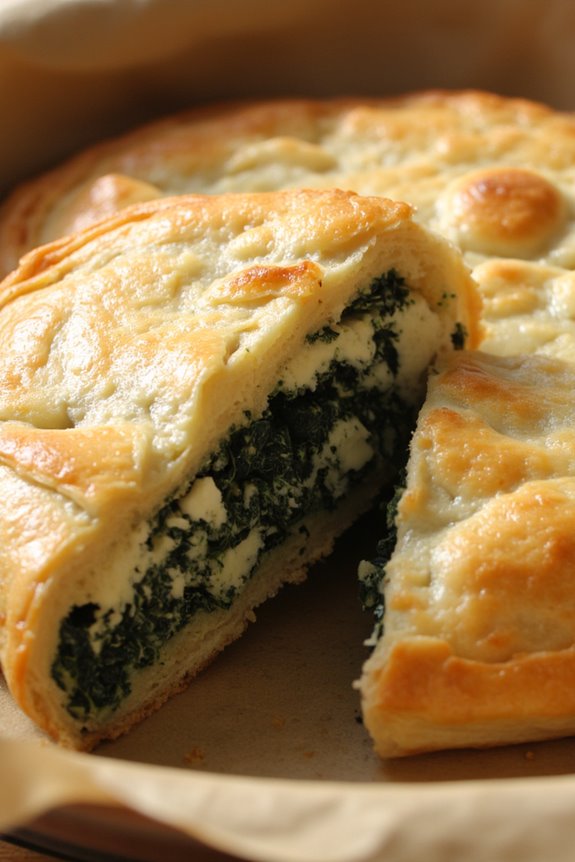
Spanakopita is a traditional Greek dish that highlights the rich flavors of spinach and feta cheese, all wrapped up in flaky layers of phyllo pastry. This savory pie isn’t only delicious but also a great way to incorporate leafy greens into your diet. The dish is often served as an appetizer or as a main course, making it versatile for any meal. With its crispy crust and creamy filling, spanakopita is sure to impress your family and friends.
Making spanakopita at home may seem intimidating due to the phyllo pastry, but with a little patience and practice, you’ll master this classic Greek recipe. The key to achieving a perfectly baked spanakopita lies in the preparation of the filling, ensuring that the spinach is properly drained, and layering the phyllo sheets with care. Once you have all your ingredients ready, you’ll be on your way to creating a dish that’s as beautiful as it’s flavorful.
Ingredients (Serves 4-6)
- 1 package (16 oz) of phyllo pastry, thawed
- 1 pound fresh spinach, washed and chopped (or 10 oz frozen spinach, thawed and drained)
- 1 cup feta cheese, crumbled
- 1 cup ricotta cheese
- 1 onion, finely chopped
- 2 cloves garlic, minced
- 2 large eggs
- 1/4 cup fresh dill, chopped (or 1 tablespoon dried dill)
- 1/4 cup olive oil
- Salt and pepper to taste
Cooking Instructions
- Prepare the Filling: In a large skillet, heat a tablespoon of olive oil over medium heat. Add the chopped onion and sauté until softened, about 5-7 minutes. Stir in the minced garlic and cook for an additional minute until fragrant. Add the spinach and cook until wilted if using fresh, or until heated through if using frozen. Remove from heat and let cool slightly.
- Mix the Ingredients: In a large mixing bowl, combine the cooled spinach mixture with crumbled feta cheese, ricotta cheese, eggs, dill, and season with salt and pepper. Mix well until all ingredients are thoroughly combined.
- Prepare the Phyllo: Preheat your oven to 375°F (190°C). On a clean work surface, lay out your phyllo sheets. Brush the top sheet lightly with olive oil and layer another sheet on top. Repeat this process until you have about 5-6 sheets layered, making sure to keep the rest of the phyllo covered with a damp towel to prevent it from drying out.
- Fill the Pastry: Spoon the spinach filling onto the center of the layered phyllo, shaping it into a log. Fold the sides of the phyllo over the filling, then carefully roll it up to enclose the filling completely. Place the seam side down on a greased baking sheet. Repeat the process with the remaining phyllo sheets and filling.
- Bake the Spanakopita: Brush the top of the rolled spanakopita with olive oil. Bake in the preheated oven for 30-40 minutes, or until the phyllo is golden and crispy. Once baked, remove from the oven and let cool for a few minutes before slicing.
Extra Tips
When working with phyllo pastry, speed is key to prevent it from drying out. Always keep the sheets covered with a damp towel until you’re ready to use them.
If you’re feeling adventurous, consider adding other ingredients like sautéed mushrooms or artichokes to the filling for added flavor. Spanakopita can also be made ahead of time; simply prepare it up to the baking step, refrigerate, and bake when you’re ready to serve.
Enjoy this delightful dish warm or at room temperature!
Briam
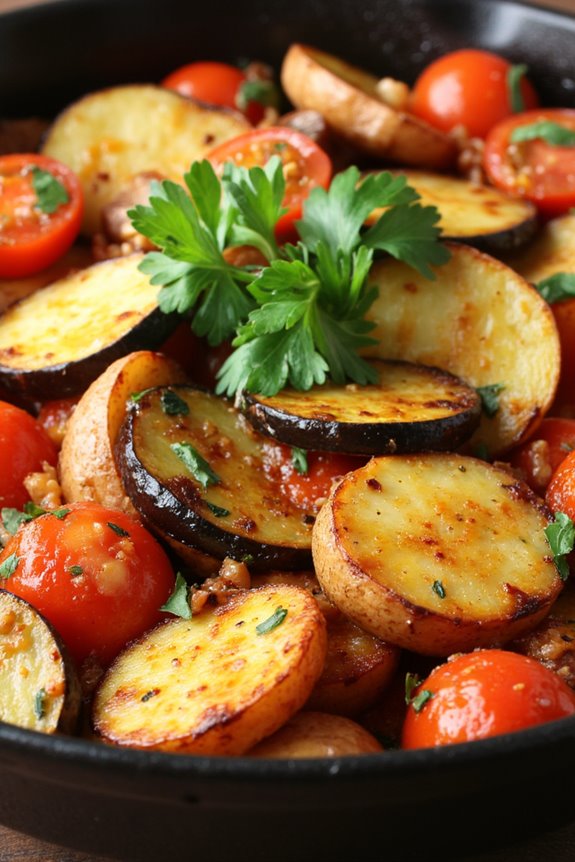
Briam is a traditional Greek dish that showcases the vibrant flavors of Mediterranean vegetables. This rustic dish is often prepared during the summer months when fresh produce is at its peak, making it a delightful option for those seeking a healthy, hearty meal. The combination of zucchini, eggplant, potatoes, and tomatoes, all seasoned with aromatic herbs and baked to perfection, creates a comforting dish that’s both satisfying and nutritious.
Briam can be served as a main course or as a side dish, and it pairs wonderfully with crusty bread or a cool salad. The beauty of briam lies not just in its taste, but also in its simplicity. This oven-baked dish requires minimal preparation and uses ingredients that are readily available in most kitchens.
The slow cooking process allows the flavors to meld beautifully, resulting in a dish that’s bursting with goodness. Whether you’re hosting a gathering or enjoying a quiet dinner at home, briam is sure to impress your family and friends with its rich flavors and vibrant presentation.
Ingredients (Serves 4-6):
- 2 medium zucchinis, sliced
- 2 medium eggplants, sliced
- 3 medium potatoes, peeled and sliced
- 4 ripe tomatoes, chopped
- 1 large onion, thinly sliced
- 4 cloves garlic, minced
- 1/2 cup olive oil
- 1 teaspoon dried oregano
- 1 teaspoon dried thyme
- Salt and pepper to taste
- Fresh parsley for garnish (optional)
Cooking Instructions:
- Preheat the Oven: Begin by preheating your oven to 375°F (190°C). This guarantees that your briam cooks evenly and achieves that perfect golden-brown finish.
- Prepare the Vegetables: In a large mixing bowl, combine the sliced zucchinis, eggplants, potatoes, chopped tomatoes, and sliced onions. Add the minced garlic, olive oil, oregano, thyme, salt, and pepper. Toss everything together until the vegetables are well-coated with the oil and seasonings.
- Layer the Vegetables: In a large baking dish, arrange the vegetable mixture in an even layer. You can alternate the layers for a visually appealing dish. Confirm that the vegetables are spread out evenly to allow for proper cooking.
- Bake: Cover the baking dish with aluminum foil to retain moisture and bake in the preheated oven for about 45 minutes. After 45 minutes, remove the foil and continue baking for an additional 30 minutes or until the vegetables are tender and slightly caramelized on top.
- Serve: Once cooked, remove the briam from the oven and let it rest for a few minutes. Garnish with fresh parsley if desired, and serve warm. This dish can be enjoyed on its own or accompanied by a side of crusty bread or a cool salad.
Extra Tips:
When making briam, feel free to customize the vegetables based on your preferences or what you have on hand. Bell peppers, carrots, and even sweet potatoes can be great additions.
Additionally, for an extra layer of flavor, consider adding a splash of balsamic vinegar or a sprinkle of feta cheese before serving. Briam can be made ahead of time and reheated, as its flavors only improve with time, making it an excellent option for meal prep.
Greek Lemon Chicken and Potatoes

Greek Lemon Chicken and Potatoes is a delightful and aromatic dish that embodies the fresh flavors of the Mediterranean. The succulent chicken is marinated in a zesty lemon and herb mixture, which infuses it with a bright and tangy taste. Paired with tender, roasted potatoes, this dish becomes a satisfying meal that captures the essence of Greek cuisine. It’s perfect for a family dinner or a gathering with friends, providing comfort while being simple to prepare.
The beauty of this recipe lies in its straightforward approach, allowing the ingredients to shine. As the chicken bakes in the oven, the potatoes soak up the savory juices, resulting in a harmonious blend of flavors. Serve it with a crisp Greek salad or a side of tzatziki for a complete dining experience that transports you straight to the sun-kissed shores of Greece.
Ingredients (serving size: 4-6 people):
- 4-6 bone-in, skin-on chicken thighs or breasts
- 4 large potatoes, cut into wedges
- 1/4 cup olive oil
- Juice of 2 lemons
- Zest of 1 lemon
- 4 cloves garlic, minced
- 1 tablespoon dried oregano
- 1 teaspoon salt
- 1/2 teaspoon black pepper
- Fresh parsley, chopped (for garnish)
Cooking Instructions:
- Marinate the Chicken: In a large bowl, combine olive oil, lemon juice, lemon zest, minced garlic, dried oregano, salt, and black pepper. Whisk the ingredients together until well blended. Add the chicken pieces to the marinade, making sure they’re well coated. Cover the bowl with plastic wrap and let it marinate in the refrigerator for at least 30 minutes, or up to 2 hours for a stronger flavor.
- Prepare the Potatoes: While the chicken is marinating, preheat your oven to 400°F (200°C). Wash and cut the potatoes into wedges. In a separate bowl, toss the potato wedges with a drizzle of olive oil, salt, and a sprinkle of oregano. Make certain the potatoes are evenly coated.
- Arrange in Baking Dish: Take a large baking dish and place the marinated chicken pieces in the center. Arrange the seasoned potato wedges around the chicken. This allows the potatoes to absorb the delicious juices from the chicken as they cook.
- Bake in the Oven: Place the baking dish in the preheated oven and bake for about 45-50 minutes, or until the chicken is cooked through (internal temperature should reach 165°F/74°C) and the potatoes are tender and golden brown. You may want to turn the potatoes halfway through cooking to make sure of even browning.
- Garnish and Serve: Once cooked, remove the dish from the oven. Let it rest for a few minutes before serving. Garnish with freshly chopped parsley for a pop of color and added freshness. Serve hot with your favorite sides.
Extra Tips: For added flavor, consider adding a few sprigs of fresh thyme or rosemary to the baking dish before roasting. This enhances the aroma and taste of the dish. If you’re short on time, you can skip the marination step, but allowing the chicken to soak in the marinade will yield a more flavorful result. Additionally, feel free to customize the potato seasoning with your favorite herbs or spices!
Kleftiko
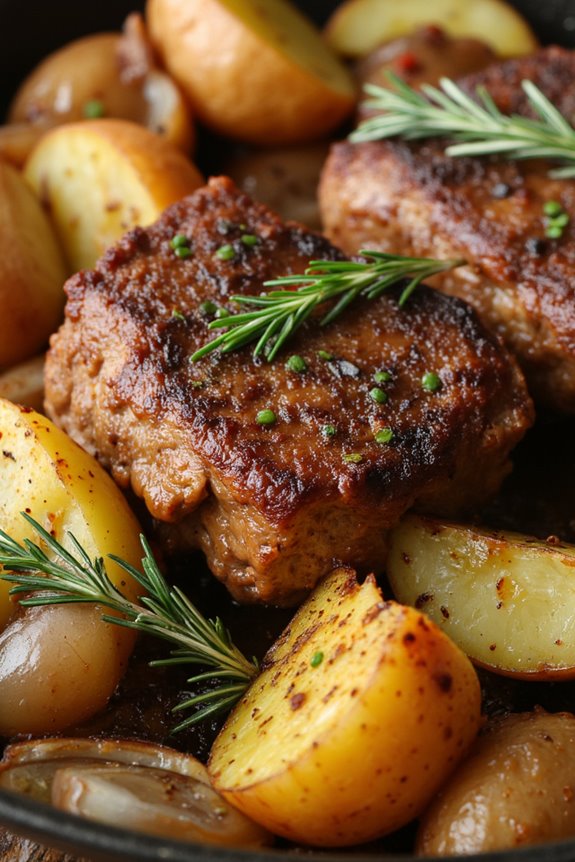
Kleftiko is a traditional Greek dish that showcases the rich flavors of lamb slow-cooked with aromatic herbs and vegetables. Originating from the times of the klephts, who were rebels against the Ottoman Empire, this dish symbolizes Greek resilience and culinary heritage. The name “kleftiko” translates to “stolen,” as it was said that lamb was often cooked in a sealed pit to prevent detection while it roasted.
Today, it’s commonly prepared in the oven, allowing for tender, juicy meat infused with the flavors of its ingredients.
Preparing Kleftiko is a delightful experience that fills your kitchen with mouthwatering aromas. The slow-cooking method guarantees that the lamb becomes incredibly tender while absorbing the flavors from potatoes, garlic, and herbs.
Whether you’re hosting a gathering or simply enjoying a family dinner, Kleftiko is sure to be a crowd-pleaser that transports you straight to Greece with every bite.
Ingredients (Serves 4-6)
- 1.5 kg lamb shoulder, bone-in and cut into large chunks
- 4 large potatoes, peeled and cut into wedges
- 4 cloves garlic, minced
- 2 large onions, sliced
- 1 cup dry white wine
- 1/4 cup olive oil
- 2-3 sprigs of fresh rosemary
- 2-3 sprigs of fresh thyme
- Juice of 1 lemon
- Salt and pepper to taste
- Parchment paper or aluminum foil for wrapping
Cooking Instructions
- Preheat the Oven: Start by preheating your oven to 160°C (320°F). A low and slow cooking method is essential for achieving tender lamb and well-cooked vegetables.
- Prepare the Marinade: In a large mixing bowl, combine the minced garlic, olive oil, lemon juice, salt, and pepper. Mix well to create a marinade that will flavor the lamb. You can also add chopped rosemary and thyme leaves at this stage for extra flavor.
- Marinate the Lamb: Add the lamb chunks to the marinade, making certain each piece is well coated. Cover the bowl with plastic wrap and let it marinate for at least 1 hour, or preferably overnight in the refrigerator for deeper flavor.
- Prepare the Vegetables: While the lamb is marinating, prepare the vegetables. In a large baking dish, arrange the potato wedges and sliced onions. Drizzle with a little olive oil, salt, and pepper, and toss to make sure they’re well seasoned.
- Assemble the Dish: Place the marinated lamb on top of the vegetables in the baking dish. Add the white wine and the sprigs of rosemary and thyme around the meat. This will help infuse the dish with aromatic flavors during cooking.
- Wrap and Cook: Cover the baking dish tightly with parchment paper or aluminum foil. This will trap the steam and juices, making certain the lamb stays moist. Place the dish in the preheated oven and let it cook for about 3-4 hours, or until the lamb is fork-tender.
- Serve: Once cooked, remove the dish from the oven and let it rest for 10-15 minutes. Remove the cover, and serve the Kleftiko hot with the vegetables and pan juices spooned over the top.
Extra Tips
For a more robust flavor, consider adding additional spices such as oregano or cumin to the marinade. You can also experiment with different vegetables like carrots or bell peppers to complement the dish.
If you wish to achieve a crispy finish on the lamb, uncover the dish for the last 30 minutes of cooking. Finally, be sure to let the dish rest before serving; this allows the juices to redistribute, resulting in an even more flavorful meal.
Enjoy your Kleftiko with crusty bread or a fresh Greek salad for a complete feast!
Souvlaki Skewers With Tzatziki

Souvlaki skewers are a quintessential Greek dish, perfect for grilling or baking in the oven, offering a delightful blend of marinated meat grilled to perfection and served with a revitalizing tzatziki sauce. Traditionally made with pork, chicken, or lamb, these skewers aren’t only easy to prepare but also packed with flavor.
The marinade often features olive oil, garlic, oregano, and lemon juice, enhancing the natural taste of the meat, while the tzatziki, made from yogurt, cucumber, and herbs, adds a creamy element that perfectly balances the savory notes of the souvlaki.
This oven-baked version of souvlaki skewers is ideal for those who may not have access to a grill or prefer a less smoky flavor. Simply pop them in the oven, and you’ll have a delicious meal ready to serve your family or guests in no time.
Pair these skewers with a side of pita bread, a Greek salad, or roasted vegetables for a complete and satisfying meal.
Ingredients (Serves 4-6):
- 1.5 lbs chicken breast or pork tenderloin, cut into 1-inch cubes
- 3 tablespoons olive oil
- 3 tablespoons lemon juice
- 4 cloves garlic, minced
- 2 teaspoons dried oregano
- 1 teaspoon salt
- 1/2 teaspoon black pepper
- 1 teaspoon paprika (optional)
- 6 wooden or metal skewers (if using wooden, soak in water for 30 minutes)
- Fresh parsley, chopped (for garnish)
For the Tzatziki Sauce:
- 1 cup Greek yogurt
- 1 cucumber, grated and excess water squeezed out
- 2 cloves garlic, minced
- 1 tablespoon olive oil
- 1 tablespoon lemon juice
- 1 tablespoon fresh dill, chopped (or 1 teaspoon dried dill)
- Salt and pepper to taste
Cooking Instructions:
- Prepare the Marinade: In a large bowl, whisk together the olive oil, lemon juice, minced garlic, oregano, salt, black pepper, and paprika (if using). This marinade will infuse the meat with flavor, so it’s important to mix it well.
- Marinate the Meat: Add the cubed chicken or pork to the bowl, making sure each piece is coated with the marinade. Cover the bowl with plastic wrap and refrigerate for at least 1 hour, or up to overnight for maximum flavor.
- Preheat the Oven: Preheat your oven to 400°F (200°C). This temperature is ideal for cooking the skewers evenly and making sure they get a nice golden color.
- Assemble the Skewers: Thread the marinated meat onto the skewers, packing them tightly but not too tightly to allow for even cooking. Place the skewers on a baking sheet lined with parchment paper or a lightly greased baking dish.
- Bake the Skewers: Transfer the baking sheet to the preheated oven and bake for about 20-25 minutes, turning the skewers halfway through cooking to ensure even browning. The meat should be cooked through and have an internal temperature of 165°F (75°C).
- Prepare the Tzatziki Sauce: While the skewers are baking, mix the Greek yogurt, grated cucumber, minced garlic, olive oil, lemon juice, dill, salt, and pepper in a small bowl. Stir until well combined. Adjust the seasoning to taste, then refrigerate until ready to serve.
- Serve: Once the souvlaki skewers are done baking, remove them from the oven and let them rest for a few minutes. Serve the skewers hot, garnished with fresh parsley, alongside the tzatziki sauce for dipping.
Extra Tips:
For an added depth of flavor, consider marinating the meat overnight. This allows the spices to penetrate the meat more thoroughly.
Additionally, serve the souvlaki skewers with warm pita bread and a fresh Greek salad for a complete meal. If you like a little heat, feel free to add some red pepper flakes to the marinade. Enjoy your homemade Greek feast!
Gemista (Stuffed Peppers and Tomatoes)
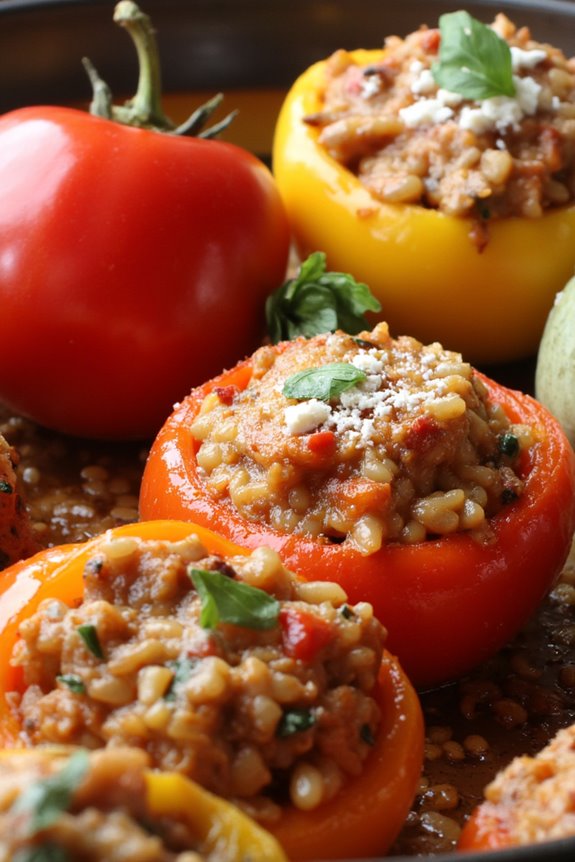
Gemista, a popular dish in Greek cuisine, is a delightful combination of ripe vegetables and a savory filling that captures the essence of Mediterranean flavors. This dish typically features bell peppers and tomatoes, which are hollowed out and filled with a mixture of rice, herbs, and sometimes ground meat, creating a hearty meal that’s both healthy and satisfying.
Often served with a drizzle of olive oil and a sprinkle of fresh herbs, Gemista is a beloved comfort food that showcases the abundance of summer produce.
The beauty of Gemista lies in its versatility. You can customize the filling according to your preferences, whether you choose to include minced meat or stick with a vegetarian version. The baking process allows the flavors to meld beautifully, resulting in tender vegetables and a fragrant filling.
This dish isn’t only delicious but also a feast for the eyes, making it an excellent choice for family gatherings or special occasions.
Ingredients (Serves 4-6)
- 4 large bell peppers (red, yellow, or green)
- 4 large ripe tomatoes
- 1 cup of short-grain rice (e.g., Arborio or Jasmine)
- 1/2 lb ground beef or lamb (optional)
- 1 medium onion, finely chopped
- 2 cloves of garlic, minced
- 1/4 cup fresh parsley, chopped
- 1/4 cup fresh mint, chopped
- 1 teaspoon dried oregano
- 1/4 cup olive oil
- Salt and pepper to taste
- 2 cups vegetable or chicken broth
- 1/2 cup grated feta cheese (optional)
Cooking Instructions
- Prepare the Vegetables: Begin by preheating your oven to 375°F (190°C). Carefully slice the tops off the bell peppers and hollow them out by removing the seeds and membranes. For the tomatoes, cut off the tops and scoop out the insides, reserving the pulp for the filling. Place the hollowed-out peppers and tomatoes upright in a baking dish.
- Make the Filling: In a large skillet, heat 2 tablespoons of olive oil over medium heat. Add the chopped onion and minced garlic, sautéing until the onion becomes translucent. If using ground meat, add it to the skillet and cook until browned. Stir in the reserved tomato pulp, rice, parsley, mint, oregano, salt, and pepper, mixing well to combine all ingredients.
- Add the Broth: Pour in the vegetable or chicken broth and bring the mixture to a gentle simmer. Allow it to cook for about 10 minutes, stirring occasionally, until the rice absorbs some of the liquid but isn’t fully cooked.
- Stuff the Vegetables: Spoon the filling generously into each hollowed pepper and tomato, packing it tightly but leaving a little room at the top for expansion. Drizzle the remaining olive oil over the stuffed vegetables and place the tops back on the peppers and tomatoes.
- Bake the Gemista: Cover the baking dish with aluminum foil and bake in the preheated oven for 45 minutes. After this time, remove the foil and bake for an additional 15 minutes, or until the peppers and tomatoes are tender and lightly browned on top.
- Serve: Once cooked, allow the Gemista to cool for a few minutes before serving. If desired, sprinkle with feta cheese before serving. Enjoy this delicious Greek specialty warm, alongside a fresh salad or crusty bread.
Extra Tips
For the best flavor, consider using a variety of colorful peppers and ripe tomatoes to enhance both the visual appeal and taste of the dish. If you’re looking for a lighter option, you can skip the meat and increase the amount of rice and herbs for a delicious vegetarian version.
Additionally, feel free to experiment with other herbs like dill or basil, and don’t hesitate to add other vegetables to the filling, such as zucchini or eggplant, for extra texture and flavor. Gemista can be made ahead of time and reheated, making it an ideal dish for busy weeknights or meal prep.
Fasolada (Bean Soup)
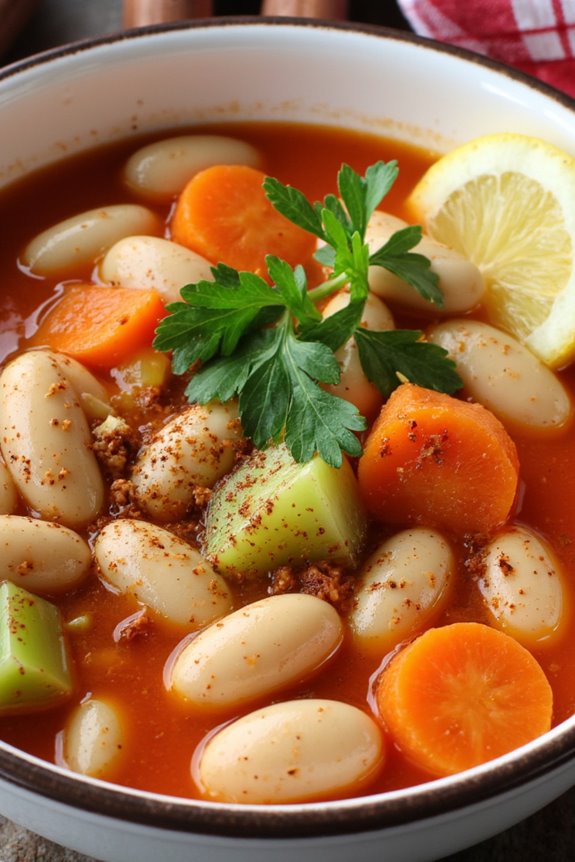
Fasolada, often referred to as the national dish of Greece, is a hearty and flavorful bean soup that’s both nourishing and simple to make. Traditionally considered a staple of Greek cuisine, this dish is packed with protein and fiber, making it a perfect choice for a healthy meal. The combination of beans, fresh vegetables, and aromatic herbs creates a comforting and satisfying soup that can be enjoyed all year round.
This oven-baked version of fasolada takes advantage of slow cooking, allowing flavors to meld beautifully while the beans become tender. Perfect for a family gathering or a cozy dinner, this dish serves 4-6 people and is sure to warm the hearts of all who partake. With its rich tomato base and hearty ingredients, fasolada isn’t only a wholesome meal but also a celebration of Greek culinary tradition.
Ingredients
- 1 ½ cups of dried white beans (such as cannellini or navy beans)
- 1 large onion, chopped
- 2 carrots, diced
- 2 celery stalks, diced
- 2 cloves of garlic, minced
- 1 can (14 oz) of diced tomatoes
- 4 cups of vegetable broth
- 1/4 cup of olive oil
- 1 teaspoon of dried oregano
- 1 teaspoon of smoked paprika
- Salt and pepper to taste
- Fresh parsley, chopped (for garnish)
- Juice of 1 lemon (optional)
Cooking Instructions
- Soak the Beans: Begin by rinsing the dried beans under cold water. Place them in a large bowl and cover with plenty of water. Allow them to soak overnight or for at least 8 hours. This helps soften the beans and reduces cooking time.
- Preheat the Oven: After soaking, preheat your oven to 350°F (175°C). This guarantees that the fasolada will cook evenly and thoroughly once it’s placed in the oven.
- Prepare the Vegetables: In a large oven-safe pot or Dutch oven, heat the olive oil over medium heat. Add the chopped onion, diced carrots, and diced celery. Sauté the vegetables for about 5-7 minutes or until they’re softened and the onion becomes translucent.
- Add Garlic and Spices: Stir in the minced garlic, dried oregano, and smoked paprika. Cook for an additional minute until the garlic is fragrant. This step adds depth of flavor to the soup.
- Combine Ingredients: Drain and rinse the soaked beans, then add them to the pot along with the canned diced tomatoes and vegetable broth. Season with salt and pepper to taste. Stir everything together until well combined.
- Bake the Soup: Cover the pot with a lid and transfer it to the preheated oven. Bake for about 1.5 to 2 hours, or until the beans are tender and the soup has thickened. Check occasionally to verify it isn’t drying out; if needed, add a bit more broth or water.
- Taste and Adjust Seasoning: Once the beans are cooked through, remove the pot from the oven. Taste the fasolada and adjust seasoning if necessary, adding more salt, pepper, or lemon juice for brightness.
- Serve: Serve the fasolada hot, garnished with fresh parsley. Enjoy it with crusty bread for a complete meal.
Extra Tips
When making fasolada, feel free to customize the recipe by adding other vegetables like bell peppers or zucchini for added nutrition and flavor. For a spicier version, consider adding a pinch of red pepper flakes.
If you prefer a creamier texture, you can blend a portion of the soup before serving. Leftovers can be stored in the refrigerator for a few days and often taste even better the next day as the flavors continue to develop.
Baked Feta With Tomatoes and Olives
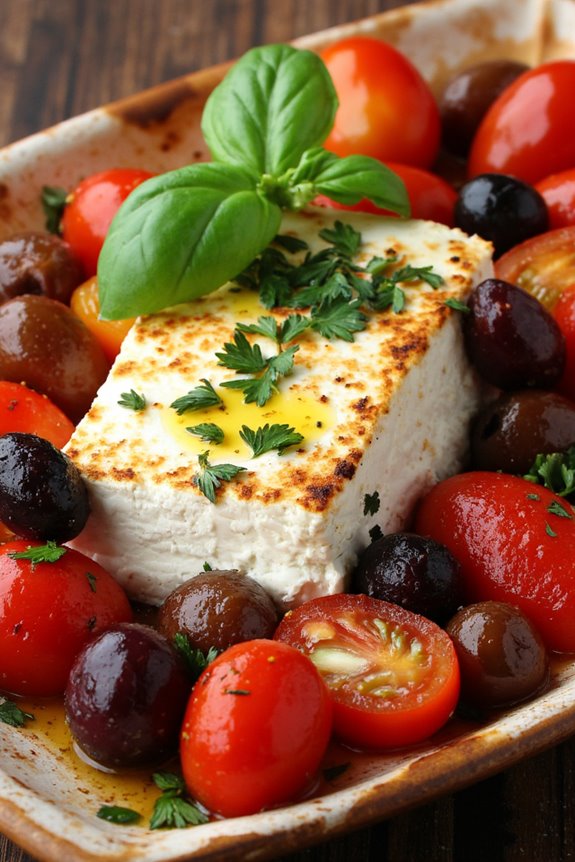
Baked Feta with Tomatoes and Olives is a delightful Greek dish that transforms simple ingredients into a savory and aromatic masterpiece. This dish features creamy feta cheese enveloped in roasted tomatoes and briny olives, creating a perfect blend of flavors that can be enjoyed as an appetizer or a main course. The oven-baked method enhances the natural sweetness of the tomatoes while the feta becomes soft and spreadable, making it a truly irresistible dish.
This recipe isn’t only easy to prepare but also a fantastic option for entertaining guests or enjoying a cozy meal at home. Served with warm crusty bread or pita, it becomes a delightful dip that encourages sharing and conversation. The vibrant colors and enticing aromas make Baked Feta with Tomatoes and Olives a feast for both the eyes and the palate.
Ingredients (Serves 4-6):
- 1 block (about 200g) of feta cheese
- 2 cups cherry tomatoes, halved
- 1 cup Kalamata olives, pitted and halved
- 4 cloves garlic, minced
- 1 teaspoon dried oregano
- 1/4 teaspoon red pepper flakes (optional)
- 3 tablespoons olive oil
- Salt and pepper to taste
- Fresh basil or parsley for garnish (optional)
Cooking Instructions:
- Preheat the Oven: Begin by preheating your oven to 400°F (200°C). This guarantees that the dish cooks evenly and helps the feta cheese reach the perfect level of creaminess.
- Prepare the Baking Dish: In a medium-sized baking dish, combine the halved cherry tomatoes, Kalamata olives, and minced garlic. Drizzle with olive oil and sprinkle the dried oregano, red pepper flakes, salt, and pepper. Toss everything together until the tomatoes and olives are well-coated with the seasonings.
- Add the Feta: Place the block of feta cheese in the center of the baking dish on top of the tomato and olive mixture. Drizzle a little more olive oil over the feta to enhance its flavor and prevent it from drying out during baking.
- Bake the Dish: Transfer the baking dish to the preheated oven and bake for about 25-30 minutes, or until the tomatoes are blistered and the feta is soft and slightly golden around the edges. Keep an eye on it to avoid overcooking.
- Serve: Once cooked, remove the dish from the oven and let it sit for a couple of minutes. Garnish with fresh basil or parsley if desired. Serve warm with crusty bread or pita for dipping.
Extra Tips: For an added depth of flavor, consider marinating the olives in lemon juice and herbs the day before cooking. Additionally, you can use different types of olives or even add other vegetables like bell peppers or zucchini for variation.
Don’t hesitate to adjust the seasoning according to your taste preferences, and remember that the quality of the feta cheese can greatly impact the final dish, so choose a good quality product. Enjoy your Mediterranean feast!
Loukoumades (Honey Puffs)

Loukoumades are a delightful Greek dessert that will transport your taste buds straight to the sun-kissed shores of Greece. These fluffy, golden puffs are made from a simple dough that’s fried to perfection and then drenched in a sweet honey syrup. Traditionally served warm, they’re often garnished with a sprinkle of cinnamon and crushed walnuts, making them a beloved treat for both special occasions and everyday indulgence.
The combination of the crispy exterior and the soft, airy inside, paired with the sweetness of honey, creates a heavenly experience that you won’t want to miss.
Making Loukoumades is a rewarding process that combines the art of frying with the science of dough preparation. The key to achieving the perfect texture lies in the yeast, which helps the dough rise and creates those signature airy pockets.
While the frying may seem intimidating, with the right temperature and technique, you’ll be able to create these delectable bites that are sure to impress your family and friends. Serve them warm, drizzled with honey and sprinkled with your favorite toppings for a truly authentic Greek dessert experience.
Ingredients (Serves 4-6)
- 2 cups all-purpose flour
- 1 ½ teaspoons active dry yeast
- 1 ½ cups warm water (about 110°F)
- 1 tablespoon sugar
- 1 teaspoon salt
- 1 tablespoon olive oil (plus extra for frying)
- 1 cup honey
- 1 teaspoon ground cinnamon (for garnish)
- ½ cup crushed walnuts (for garnish)
- Powdered sugar (optional, for garnish)
Cooking Instructions
- Activate the Yeast: In a small bowl, combine the warm water, sugar, and active dry yeast. Allow it to sit for about 10 minutes until it becomes frothy. This indicates that the yeast is activated and ready to use.
- Prepare the Dough: In a large mixing bowl, combine the flour and salt. Once the yeast mixture is frothy, pour it into the bowl with the flour along with the olive oil. Mix until a sticky dough forms. You can use a wooden spoon or your hands for this step.
- Let the Dough Rise: Cover the bowl with a clean kitchen towel or plastic wrap and place it in a warm area to rise for about 1 hour, or until it has doubled in size. This is essential for achieving that light and fluffy texture.
- Heat the Oil: In a deep frying pan or pot, heat about 2 inches of olive oil over medium heat. To test if the oil is hot enough, drop a small piece of the dough into the oil; if it sizzles and comes to the surface, it’s ready.
- Fry the Loukoumades: Using a spoon or a small ice cream scoop, carefully drop spoonfuls of the dough into the hot oil. Fry in batches, turning occasionally until they’re golden brown on all sides, about 3-4 minutes. Be careful not to overcrowd the pan.
- Drain and Coat: Once golden brown, remove the Loukoumades with a slotted spoon and place them on a paper towel-lined plate to drain excess oil.
- Prepare the Honey Syrup: In a small saucepan, heat the honey over low heat until it becomes more liquid. You can also add a splash of water to thin it out if desired.
- Serve: Arrange the warm Loukoumades on a serving plate, and drizzle generously with the warm honey syrup. Sprinkle with ground cinnamon and crushed walnuts for the finishing touch.
Extra Tips
For the best results, confirm your oil is at the correct temperature to prevent the Loukoumades from absorbing too much oil and becoming greasy. If you’re unsure about the temperature, using a thermometer to check that it’s around 350°F can be very helpful.
Additionally, feel free to experiment with other toppings like chocolate sauce or fresh fruits to customize your Loukoumades. Enjoying them fresh out of the oil is the best way to appreciate their lightness and flavor!
Galaktoboureko (Custard Pie)
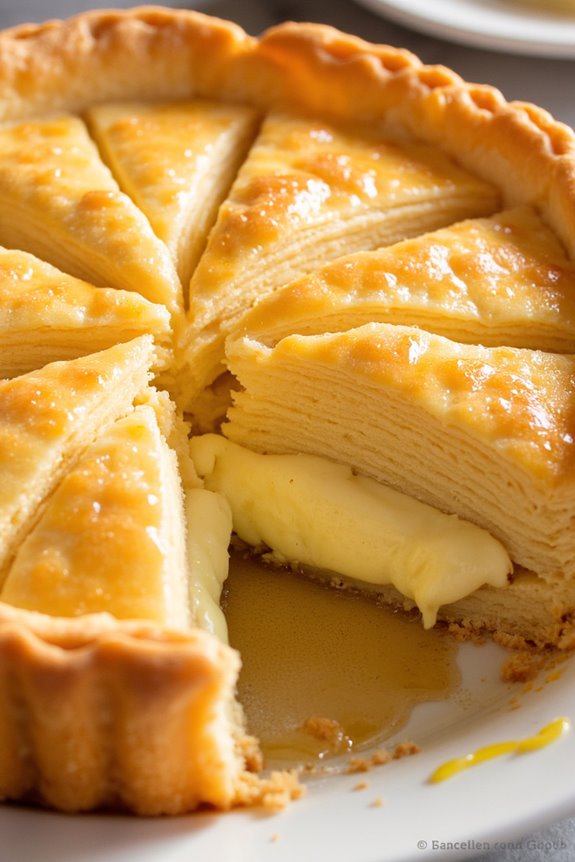
Galaktoboureko is a traditional Greek dessert that beautifully combines the richness of custard with the delicate, flaky layers of phyllo pastry. This delightful dish is known for its sweet, syrupy finish, making it a favorite at family gatherings and festive occasions. The word “galaktoboureko” translates to “milk pie,” which perfectly encapsulates the creamy filling made primarily from milk, eggs, and semolina. The contrast between the crisp pastry and the smooth custard is what makes this dessert unforgettable.
Making Galaktoboureko might seem intimidating at first, but with the right approach and ingredients, it becomes a rewarding experience. Once baked, the pie is soaked in a fragrant syrup made with sugar, water, and lemon or orange zest, which adds a revitalizing note to the dessert. The combination of textures and flavors in Galaktoboureko creates a luxurious treat that’s sure to impress anyone who tries it.
Ingredients (Serves 4-6)
- 1 package (16 oz) phyllo dough, thawed
- 1 cup unsalted butter, melted
- 1 cup granulated sugar
- 4 cups whole milk
- 1 cup semolina
- 4 large eggs
- 1 teaspoon vanilla extract
- Zest of 1 lemon (or orange)
- 1 cup water
Cooking Instructions
1. Prepare the Syrup: In a saucepan, combine 1 cup of sugar, 1 cup of water, and the zest of the lemon (or orange). Bring to a boil over medium heat, stirring until the sugar dissolves. Once boiling, reduce the heat and let it simmer for about 10 minutes. Remove from heat and let it cool completely.
2. Prepare the Custard Filling: In a large saucepan, heat the milk over medium heat until it begins to simmer. Gradually whisk in the semolina, stirring continuously to avoid lumps. Cook for about 5-7 minutes until the mixture thickens. Remove from heat and let it cool slightly.
In a separate bowl, whisk together the eggs, vanilla extract, and a bit of the warm semolina mixture. Gradually combine the egg mixture with the rest of the semolina mixture, stirring well to incorporate.
3. Prepare the Phyllo: Preheat your oven to 350°F (175°C). Grease a 9×13 inch baking dish with some of the melted butter. Carefully unroll the phyllo dough and cover it with a damp towel to prevent it from drying out. Lay down the first layer of phyllo in the baking dish, brushing it generously with melted butter.
Repeat this process, layering and buttering 8-10 sheets of phyllo.
4. Add the Custard Filling: Once the base layer is ready, pour the custard filling over the phyllo. Spread it evenly with a spatula. Then, continue layering the remaining phyllo sheets on top of the custard, brushing each layer with melted butter, just as before. Finish with a final layer of 6-8 phyllo sheets, ensuring to brush the top layer with butter as well.
5. Bake the Pie: Using a sharp knife, cut diamond-shaped or square pieces into the top layers of phyllo, being careful not to cut through the custard. Bake in the preheated oven for approximately 40-45 minutes, or until the top is golden brown and crisp.
6. Soak with Syrup: Once the Galaktoboureko is out of the oven, immediately pour the cooled syrup evenly over the hot pie, allowing it to soak in. Let the dessert cool for at least 1 hour before serving, allowing the flavors to meld together.
Extra Tips
When making Galaktoboureko, it’s essential to work quickly with the phyllo dough, as it can dry out easily. If you’re not ready to assemble immediately, keep the sheets covered with a damp cloth.
For added flavor, you can infuse the syrup with spices like cinnamon or a splash of rosewater. This dessert can be served warm or chilled, making it a versatile treat that can be enjoyed at any time.
Finally, for an elegant presentation, garnish with crushed nuts or a sprinkle of powdered sugar before serving. Enjoy this delicious taste of Greece!
