

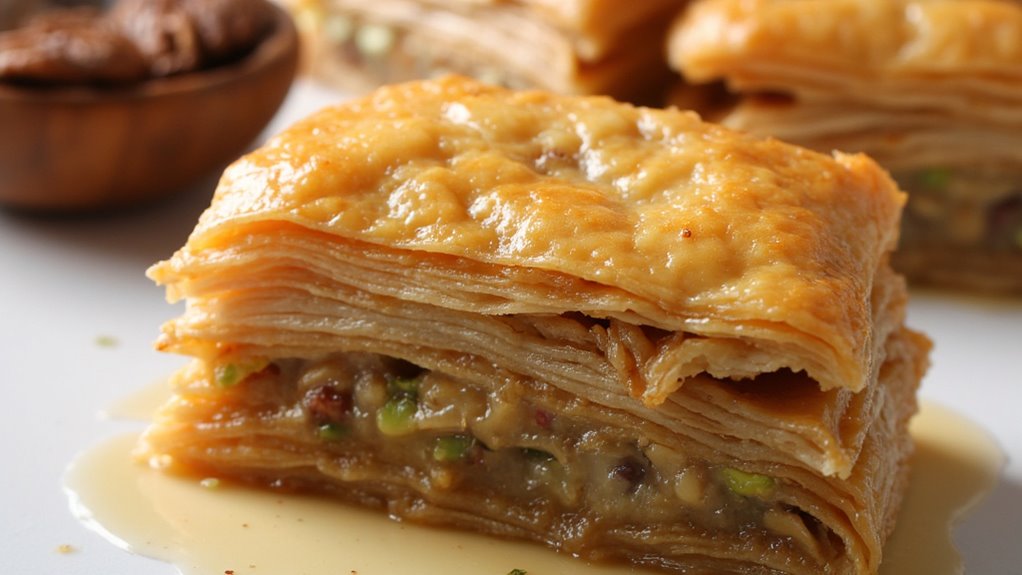
When I think of Greek cuisine, I envision vibrant flavors and fresh ingredients. But what if you have dietary restrictions? These 10 simple Greek eggless recipes are just what you need. They’re perfect for savoring authentic Greek dishes without worrying about allergens. From a refreshing Classic Greek Salad to a cozy Vegan Moussaka, there’s something here for everyone.
Classic Greek Salad

Classic Greek Salad, known as “Horiatiki,” is a vibrant and invigorating dish that captures the essence of the Mediterranean. Traditionally made with fresh, seasonal ingredients, this salad isn’t only easy to prepare but also packed with flavor. It serves as a perfect side dish or a light meal on its own, especially during warm weather.
The combination of crisp vegetables, tangy feta cheese, and a drizzle of olive oil creates a satisfying burst of taste with each bite. This eggless recipe embraces the authentic flavors of Greece, showcasing the beauty of simple, high-quality ingredients.
With ripe tomatoes, crunchy cucumbers, and briny olives, every element in a Classic Greek Salad complements the others beautifully. Tossed together with oregano and a splash of red wine vinegar, this dish is sure to impress family and friends alike.
Ingredients (serving size: 4-6 people)
- 4 medium ripe tomatoes, diced
- 1 large cucumber, peeled and chopped
- 1 red onion, thinly sliced
- 1 bell pepper (green or yellow), sliced
- 1 cup Kalamata olives, pitted
- 200 grams feta cheese, cubed or crumbled
- 1/4 cup extra virgin olive oil
- 2 tablespoons red wine vinegar
- 1 teaspoon dried oregano
- Salt and freshly ground black pepper to taste
Cooking Instructions
- Prepare the Vegetables: Begin by washing all the vegetables thoroughly. Dice the tomatoes into bite-sized pieces, chop the cucumber into half-moons, and slice the red onion and bell pepper thinly. Place all the prepared vegetables in a large salad bowl, allowing their vibrant colors to mix together.
- Add the Olives: Next, take the Kalamata olives and add them to the bowl with the vegetables. These olives not only add a salty flavor but also a nice texture that complements the crispness of the fresh produce.
- Incorporate the Feta: Gently fold in the feta cheese, being careful not to crumble it too much if you prefer larger chunks. The feta provides a creamy and tangy element that balances the salad beautifully.
- Dress the Salad: In a small bowl, whisk together the extra virgin olive oil, red wine vinegar, dried oregano, salt, and freshly ground black pepper. Drizzle this dressing over the salad ingredients in the bowl, ensuring an even coating across all the components.
- Toss and Serve: Using a large spoon, carefully toss all the ingredients together until well combined. Make sure the dressing coats all the vegetables and feta. Serve immediately or let it sit for about 10-15 minutes to allow the flavors to meld together.
Extra Tips
For the best flavor, use ripe, in-season tomatoes and high-quality extra virgin olive oil. You can also customize your Classic Greek Salad by adding other ingredients such as avocado, radishes, or even artichoke hearts for variation.
If you prefer a more robust dressing, consider adding a squeeze of fresh lemon juice or a pinch of crushed red pepper flakes for a little heat. Always adjust the seasoning according to your taste preferences, as fresh ingredients can vary in flavor intensity.
Spanakopita With Vegan Feta
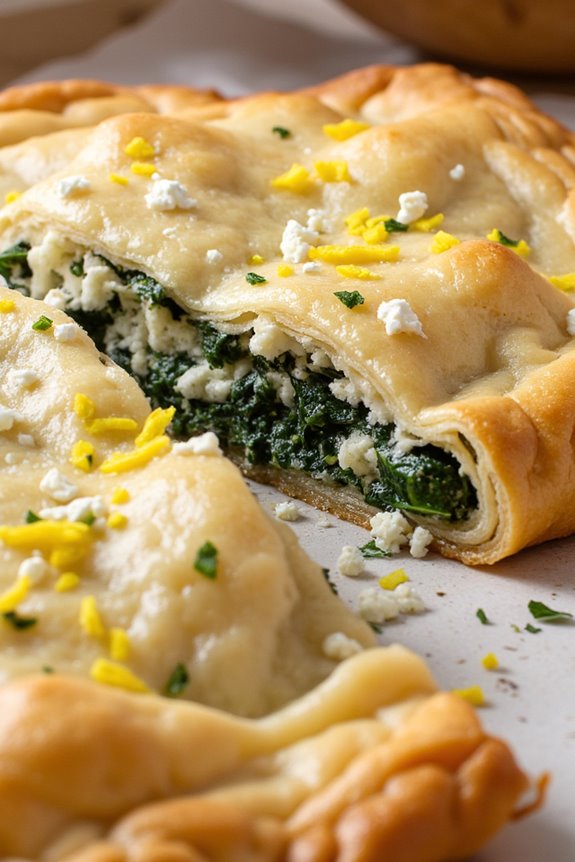
Spanakopita, a traditional Greek pastry, is a delightful dish that features flaky phyllo dough filled with a savory mixture of spinach and cheese. In this version, we replace the traditional feta with a delicious vegan alternative, allowing everyone to enjoy this classic dish, regardless of dietary restrictions. The combination of fresh spinach, aromatic herbs, and a touch of lemon juice brings a revitalizing flavor that pairs beautifully with the crispy, golden-brown layers of phyllo.
This Spanakopita with Vegan Feta isn’t only a fantastic appetizer but also makes a hearty main dish that can be served at lunch or dinner. It’s perfect for gatherings or family meals, and it appeals to both vegans and non-vegans alike. With its rich flavors and satisfying texture, this dish is sure to impress your guests and become a staple in your cooking repertoire.
Ingredients (serving size: 4-6 people):
- 1 pound fresh spinach, washed and chopped
- 1 cup vegan feta cheese, crumbled
- 1 medium onion, finely chopped
- 2 cloves garlic, minced
- 1/4 cup fresh dill, chopped
- 1/4 cup fresh parsley, chopped
- 1 lemon, juiced and zested
- 1/4 cup olive oil
- Salt and pepper to taste
- 10-12 sheets of phyllo dough
- 1/4 cup non-dairy milk for brushing
Cooking Instructions:
- Preheat the Oven: Begin by preheating your oven to 375°F (190°C). This guarantees that your spanakopita will bake evenly and achieve a beautifully crisp texture.
- Sauté the Onions and Garlic: In a large skillet, heat 2 tablespoons of olive oil over medium heat. Add the finely chopped onion and sauté until translucent, about 5 minutes. Stir in the minced garlic and cook for an additional minute until fragrant.
- Cook the Spinach: Add the chopped spinach to the skillet and cook until wilted, about 3-4 minutes. If there’s excess moisture, you can drain it off to prevent a soggy filling.
- Mix the Filling: In a large bowl, combine the sautéed spinach mixture with the crumbled vegan feta, chopped dill, parsley, lemon juice, and lemon zest. Season with salt and pepper to taste. Stir until all ingredients are well mixed.
- Prepare the Phyllo Dough: Lay out one sheet of phyllo dough on a clean surface and brush it lightly with olive oil. Place a second sheet on top and brush it again. Repeat this process for 5-6 sheets to create a sturdy base for your spanakopita.
- Add the Filling: Spoon the spinach and vegan feta mixture along one edge of the phyllo dough, forming a line about 2 inches from the edge. Fold the sides over the filling and carefully roll the phyllo dough away from you to create a log shape. Place the rolled spanakopita seam-side down on a baking sheet lined with parchment paper.
- Brush and Score: Brush the top of the rolled spanakopita with non-dairy milk for a golden finish. Using a sharp knife, gently score the top in a diagonal pattern to allow steam to escape while baking.
- Bake: Place the spanakopita in the preheated oven and bake for 30-35 minutes, or until golden brown and crispy.
- Cool and Serve: Once baked, remove the spanakopita from the oven and let it cool for a few minutes before slicing. Serve warm as an appetizer or main dish.
Extra Tips: When working with phyllo dough, it’s important to keep the sheets covered with a damp cloth while you work to prevent them from drying out. If you have leftover filling, you can make mini spanakopita bites by using smaller sheets of phyllo and adjusting the cooking time accordingly. Feel free to experiment with the herbs and spices in the filling to suit your taste preferences!
Eggless Tzatziki Sauce

Tzatziki sauce is a classic Greek condiment that adds a delightful zing to many dishes. Traditionally made with yogurt, cucumbers, garlic, and herbs, this eggless version remains true to its roots while being perfect for those avoiding eggs. This invigorating sauce is an ideal accompaniment to grilled meats, pita bread, or as a dip for fresh vegetables.
The combination of creamy yogurt and crisp cucumbers creates a delightful contrast in texture and flavor, making it a versatile addition to any meal. Making eggless tzatziki sauce is simple, requiring just a few ingredients that come together to create an explosion of flavor. This recipe is perfect for serving 4-6 people, making it a great choice for gatherings or family meals.
With the right balance of garlic and herbs, this tzatziki will transport your taste buds straight to the Mediterranean.
Ingredients:
- 2 cups plain Greek yogurt
- 1 medium cucumber, grated and excess water squeezed out
- 2-3 cloves garlic, minced
- 2 tablespoons olive oil
- 2 tablespoons fresh dill, chopped (or 1 tablespoon dried dill)
- 1 tablespoon lemon juice
- Salt and pepper to taste
Cooking Instructions:
- Prepare the Cucumber: Start by grating the cucumber using a box grater or food processor. Once grated, place the cucumber in a clean kitchen towel or cheesecloth and twist to squeeze out as much excess water as possible. This step is vital to prevent the tzatziki from becoming watery.
- Mix the Yogurt: In a medium mixing bowl, add the plain Greek yogurt. Greek yogurt gives tzatziki its creamy texture, so make sure you use a good quality product.
- Combine Ingredients: To the yogurt, add the squeezed cucumber, minced garlic, olive oil, chopped dill, and lemon juice. Stir well to combine all ingredients thoroughly. The olive oil adds richness, while the lemon juice gives it a invigorating tang.
- Season: Taste the mixture and season with salt and pepper according to your preference. Mix again to make sure the seasoning is evenly distributed.
- Chill: Cover the bowl with plastic wrap or transfer the tzatziki to an airtight container. Refrigerate for at least one hour to allow the flavors to meld together. This chilling time enhances the overall taste of the sauce.
- Serve: Once chilled, give the tzatziki a good stir and serve it as a dip with pita bread, alongside grilled meats, or as an invigorating condiment for sandwiches and wraps.
Extra Tips:
For an extra layer of flavor, try adding a splash of red wine vinegar or a pinch of cumin to the tzatziki. If you prefer a spicier version, consider incorporating a finely chopped jalapeño or a dash of cayenne pepper.
Stuffed Bell Peppers (Gemista)
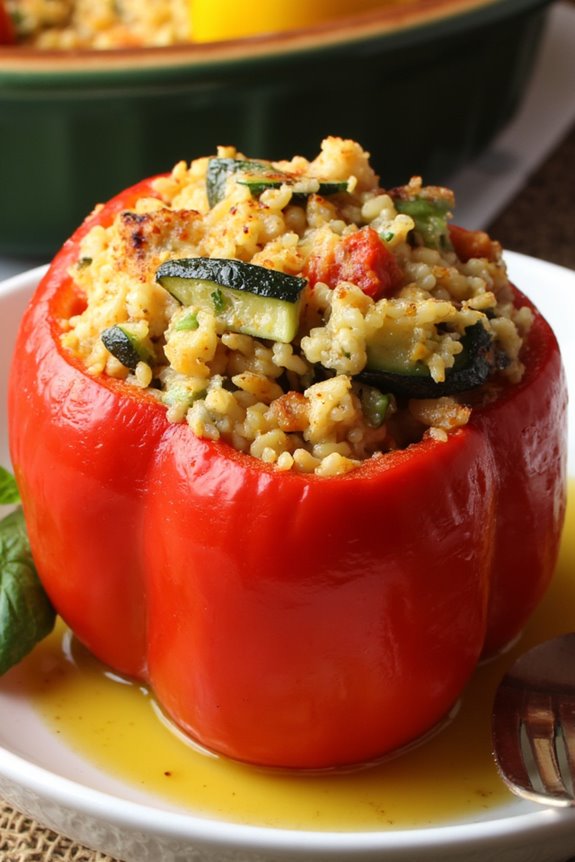
Stuffed bell peppers, known as Gemista in Greece, are a traditional dish that showcases the vibrant flavors of the Mediterranean. This beloved recipe is perfect for a healthy and hearty meal, combining colorful bell peppers filled with a savory mix of rice, vegetables, and aromatic herbs. The dish isn’t only visually appealing but also offers a delightful explosion of flavors in every bite.
With no eggs involved, Gemista is an excellent vegetarian option that can be enjoyed by everyone.
The preparation of stuffed bell peppers is straightforward, making it a great choice for both novice and experienced cooks. The key to achieving the perfect Gemista lies in the balance of ingredients and the careful seasoning of the filling. These peppers are typically baked until tender, allowing the flavors to meld beautifully while maintaining a satisfying texture.
Serve them with a drizzle of olive oil and a sprinkle of fresh herbs for an extra touch of Mediterranean flair.
Ingredients (Serves 4-6)
- 4 large bell peppers (any color)
- 1 cup uncooked rice (preferably short-grain or arborio)
- 1 medium onion, finely chopped
- 2 cloves garlic, minced
- 1 medium zucchini, diced
- 1 medium tomato, diced
- 1/2 cup fresh parsley, chopped
- 1/2 cup fresh mint, chopped
- 1 teaspoon dried oregano
- 1 teaspoon salt
- 1/2 teaspoon black pepper
- 1/4 cup olive oil
- 2 cups vegetable broth or water
- 1 tablespoon lemon juice
Cooking Instructions
- Prepare the Bell Peppers: Preheat your oven to 375°F (190°C). Slice the tops off the bell peppers and carefully remove the seeds and membranes. If needed, trim the bottoms slightly to help them stand upright. Place the cleaned peppers in a baking dish.
- Cook the Rice: In a medium saucepan, heat 1 tablespoon of olive oil over medium heat. Add the chopped onion and sauté for 3-4 minutes until it becomes translucent. Stir in the minced garlic and cook for an additional 1 minute. Add the uncooked rice and toast it for about 2 minutes, stirring frequently.
- Prepare the Filling: Add the diced zucchini and tomato to the rice mixture. Pour in the vegetable broth (or water) and season with salt, pepper, oregano, parsley, and mint. Bring the mixture to a boil, then reduce the heat to low, cover, and simmer for about 15-20 minutes, or until the rice is cooked and has absorbed the liquid.
- Stuff the Peppers: Once the rice filling is cooked, remove it from the heat and stir in the lemon juice. Carefully spoon the filling into the hollowed-out bell peppers, packing it gently but firmly. Drizzle a little olive oil over the top of each filled pepper.
- Bake the Peppers: Pour a small amount of water (about 1/2 cup) into the bottom of the baking dish to create steam and prevent the peppers from drying out during baking. Cover the dish with aluminum foil and bake in the preheated oven for 30-40 minutes. For a slightly charred top, remove the foil for the last 10 minutes of baking.
- Serve: Once the peppers are tender and the filling is heated through, take them out of the oven and let them cool slightly before serving. Drizzle with additional olive oil and garnish with fresh herbs if desired.
Extra Tips
When preparing stuffed bell peppers, feel free to customize the filling to your taste by adding other vegetables such as carrots or mushrooms. You can also experiment with spices and herbs for varied flavor profiles.
For a heartier dish, consider mixing in some cooked lentils or beans for added protein. Additionally, ascertain that the bell peppers are firm and fresh to hold their shape during cooking.
Enjoy your homemade Gemista as a delightful main course or as an accompaniment to a fresh salad!
Greek Lemon Potatoes
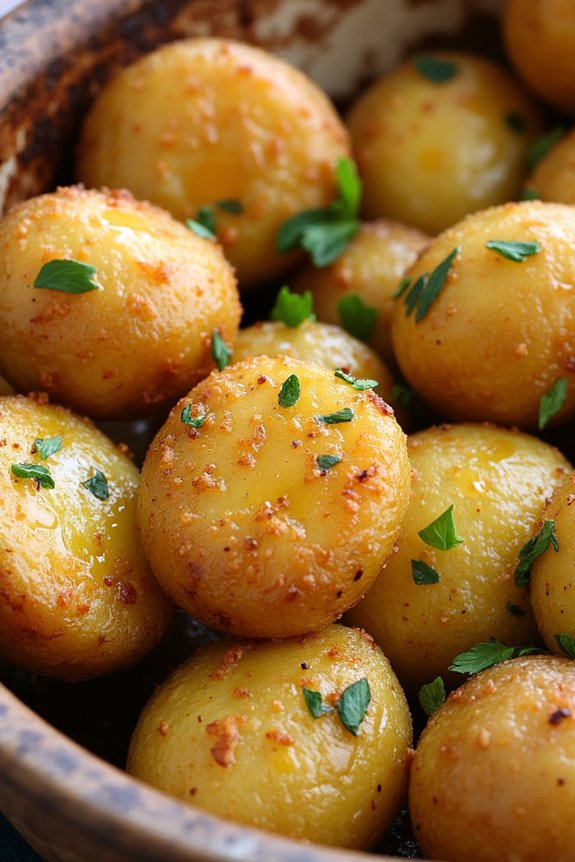
Greek Lemon Potatoes are a delightful and zesty side dish that embodies the vibrant flavors of Mediterranean cuisine. These potatoes aren’t only simple to prepare but also offer a burst of tangy lemon and aromatic herbs that elevate any meal.
Traditionally served with grilled meats or as part of a meze platter, they’re a fantastic addition to any gathering or weeknight dinner. The combination of olive oil, fresh lemon juice, and garlic creates a savory and invigorating taste that can complement a variety of dishes.
In this recipe, we’ll explore how to create perfectly roasted Greek Lemon Potatoes that are crispy on the outside and tender on the inside. With minimal ingredients and straightforward steps, you’ll be able to whip up this delicious side dish in no time.
Whether you’re looking to impress guests or simply enjoy a comforting home-cooked meal, these potatoes are sure to become a staple in your kitchen.
Ingredients (Serves 4-6):
- 2 pounds of baby potatoes (Yukon Gold or red-skinned)
- 1/4 cup olive oil
- 1/4 cup fresh lemon juice
- 4 garlic cloves, minced
- 1 tablespoon dried oregano
- Salt and pepper to taste
- 1/2 cup vegetable or chicken broth (low sodium)
- Fresh parsley, chopped (for garnish)
Cooking Instructions:
- Preheat the Oven: Begin by preheating your oven to 400°F (200°C). This guarantees that the potatoes will roast evenly and achieve that perfect golden-brown crust.
- Prepare the Potatoes: Wash the baby potatoes thoroughly and cut them in half lengthwise. This helps them cook more evenly and allows the flavors to penetrate the potatoes. If using larger potatoes, cut them into quarters.
- Make the Marinade: In a large mixing bowl, combine the olive oil, fresh lemon juice, minced garlic, dried oregano, salt, and pepper. Whisk these ingredients together until well mixed. This marinade will infuse the potatoes with flavor as they roast.
- Toss the Potatoes: Add the halved potatoes to the bowl with the marinade. Toss them well to confirm that all the potatoes are evenly coated with the mixture. This step is essential for flavor distribution.
- Arrange in a Baking Dish: Transfer the marinated potatoes into a large baking dish. Pour the vegetable or chicken broth over the potatoes. The broth will help steam the potatoes and keep them moist, while the olive oil will guarantee they crisp up nicely.
- Roast in the Oven: Place the baking dish in the preheated oven and roast the potatoes for about 45-50 minutes. Stir the potatoes halfway through cooking to confirm they brown evenly. They should be tender when pierced with a fork and golden brown on the outside.
- Garnish and Serve: Once the potatoes are done, remove them from the oven and garnish with freshly chopped parsley. Serve them warm as a side dish with your favorite main course.
Extra Tips:
For an extra layer of flavor, consider adding a teaspoon of smoked paprika or a pinch of red pepper flakes to the marinade. This will give your Greek Lemon Potatoes a delightful smoky or spicy kick.
Additionally, if you prefer a more pronounced lemon flavor, feel free to add more lemon juice or even some lemon zest to the marinade for an aromatic touch.
Finally, these potatoes can be made ahead of time and reheated, making them a great option for meal prep!
Chickpea and Spinach Stew
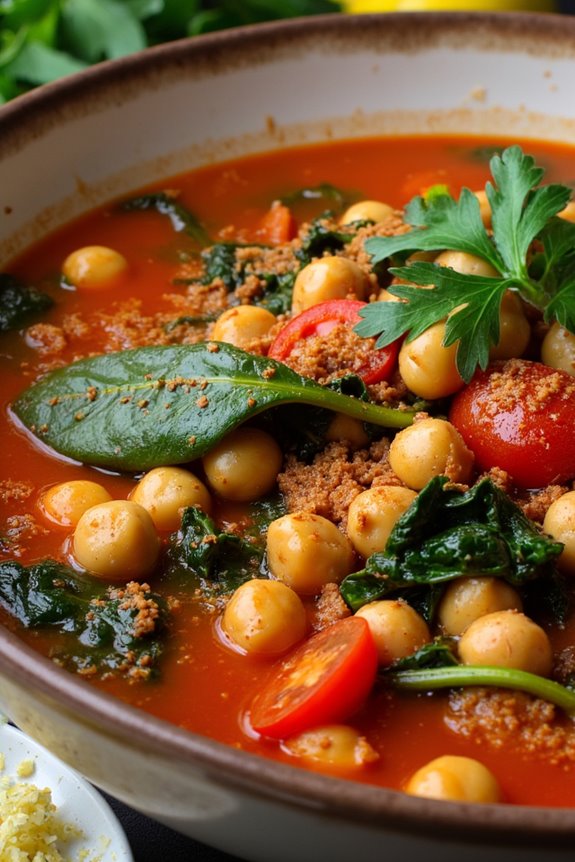
Chickpea and Spinach Stew is a hearty and nutritious Greek dish that showcases the vibrant flavors of the Mediterranean. This eggless recipe is perfect for those looking for a wholesome vegetarian option that’s rich in protein and packed with vitamins.
The combination of tender chickpeas, fresh spinach, and aromatic spices creates a comforting stew that can be enjoyed on its own or served with crusty bread or rice. Not only is this stew simple to prepare, but it also allows for flexibility with ingredients based on what you have on hand.
The chickpeas provide a creamy texture, while the spinach adds a fresh, earthy flavor. This dish is ideal for meal prep and can be stored in the refrigerator for a few days, making it a convenient option for lunch or dinner throughout the week.
Ingredients (serves 4-6):
- 1 can (15 oz) chickpeas, drained and rinsed
- 2 tablespoons olive oil
- 1 large onion, diced
- 3 cloves garlic, minced
- 1 teaspoon ground cumin
- 1 teaspoon smoked paprika
- 1 can (14 oz) diced tomatoes
- 4 cups fresh spinach, roughly chopped
- 2 cups vegetable broth
- Salt and pepper to taste
- Fresh lemon juice (optional, for serving)
- Fresh parsley, chopped (for garnish)
Cooking Instructions:
- Sauté the Aromatics: In a large pot, heat the olive oil over medium heat. Add the diced onion and sauté for about 5 minutes, or until the onion becomes translucent. Stir in the minced garlic and cook for an additional 1-2 minutes until fragrant.
- Add Spices: Sprinkle the ground cumin and smoked paprika into the pot. Stir well to coat the onions and garlic in the spices, allowing them to toast slightly for about 1 minute. This step enhances the flavors of the spices.
- Incorporate the Tomatoes: Add the canned diced tomatoes (with their juices) to the pot, stirring to combine. Allow the mixture to simmer for about 5 minutes, which helps to meld the flavors together.
- Add Chickpeas and Broth: Stir in the drained chickpeas and vegetable broth. Bring the stew to a gentle boil, then reduce the heat to low and let it simmer for about 15-20 minutes. This will allow the chickpeas to absorb the flavors of the stew.
- Add Spinach: After simmering, add the chopped spinach to the pot. Stir well and cook for an additional 5 minutes, or until the spinach is wilted and tender. Season the stew with salt and pepper to taste.
- Serve and Garnish: Once the stew is ready, ladle it into bowls. If desired, squeeze fresh lemon juice over the top for added brightness and garnish with chopped parsley.
Extra Tips: When preparing Chickpea and Spinach Stew, feel free to customize the dish by adding other vegetables like carrots or bell peppers for extra flavor and nutrients.
You can also adjust the spices to suit your taste—add a pinch of red pepper flakes for heat or a dash of oregano for an additional herbaceous note. For an even creamier texture, consider blending a portion of the stew before adding the spinach. Serve the stew with a side of crusty bread or over quinoa for a complete meal. Enjoy!
Vegan Moussaka
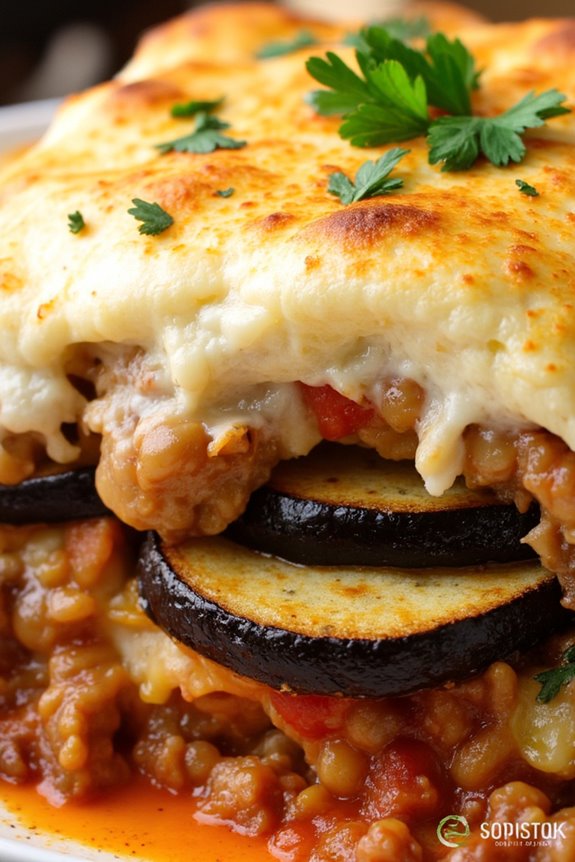
Vegan Moussaka is a delightful and hearty Greek dish that replaces traditional ingredients with plant-based alternatives, making it perfect for those following a vegan lifestyle. This dish is typically layered with roasted vegetables, a rich tomato sauce, and creamy béchamel, all in a comforting baked casserole. The flavors meld beautifully, creating a savory and satisfying meal that can impress even the most dedicated meat lovers.
This version of Moussaka uses lentils and a variety of vegetables like eggplant and zucchini, which not only provide texture but also contribute to the dish’s nutritional value. The béchamel sauce is made from almond milk and flour, ensuring that it remains completely egg-free while still offering a creamy finish. This Vegan Moussaka is ideal for family gatherings, potlucks, or any occasion when you want to showcase the flavor and heartiness of Greek cuisine without animal products.
Ingredients (Serves 4-6)
- 2 medium eggplants, sliced into 1/2-inch rounds
- 2 medium zucchinis, sliced into 1/2-inch rounds
- 1 large onion, diced
- 3 cloves garlic, minced
- 1 can (15 oz) lentils, drained and rinsed
- 1 can (15 oz) diced tomatoes
- 2 tablespoons tomato paste
- 1 teaspoon dried oregano
- 1 teaspoon dried thyme
- Salt and pepper to taste
- 3 tablespoons olive oil
- 1 cup almond milk
- 1/4 cup all-purpose flour
- 1/4 teaspoon nutmeg
- Fresh parsley, for garnish (optional)
Cooking Instructions
- Prepare the Vegetables: Preheat your oven to 400°F (200°C). Start by slicing the eggplants and zucchinis into 1/2-inch thick rounds. Place the slices on a baking sheet, brush them lightly with olive oil, and sprinkle with salt. Roast in the preheated oven for 20-25 minutes until tender and slightly golden, flipping halfway through for even cooking.
- Make the Lentil Filling: In a large skillet, heat 2 tablespoons of olive oil over medium heat. Add the diced onion and sauté until translucent, about 5 minutes. Add the minced garlic and cook for an additional minute until fragrant. Stir in the lentils, diced tomatoes, tomato paste, oregano, thyme, salt, and pepper. Let this mixture simmer for about 10-15 minutes, allowing the flavors to meld.
- Prepare the Béchamel Sauce: In a small saucepan, heat 1 tablespoon of olive oil over medium heat. Whisk in the flour to create a roux, stirring continuously for about 2 minutes without browning. Gradually pour in the almond milk while whisking to prevent lumps. Continue to cook until the sauce thickens, about 5-7 minutes. Stir in the nutmeg and season with salt and pepper to taste.
- Assemble the Moussaka: In a large baking dish, spread half of the lentil mixture on the bottom. Layer half of the roasted eggplant and zucchini on top. Pour half of the béchamel sauce over the vegetables. Repeat the layers with the remaining lentil mixture, eggplant, zucchini, and finish with the rest of the béchamel sauce on top.
- Bake the Moussaka: Cover the baking dish with aluminum foil and bake in the oven for 30 minutes. After 30 minutes, remove the foil and bake for an additional 15-20 minutes until the top is golden and bubbly. Let it cool for about 10 minutes before serving.
Extra Tips
When making Vegan Moussaka, consider using a variety of vegetables for added flavor and texture. You can also experiment with spices, such as cinnamon or smoked paprika, to give the dish a unique twist.
If you prefer a thicker béchamel, simply increase the flour slightly. This dish can be made ahead of time and stored in the refrigerator, making it a convenient option for meal prep. Reheat in the oven for best results, and don’t forget to garnish with fresh parsley before serving for an added touch of color and flavor!
Greek Orzo Salad
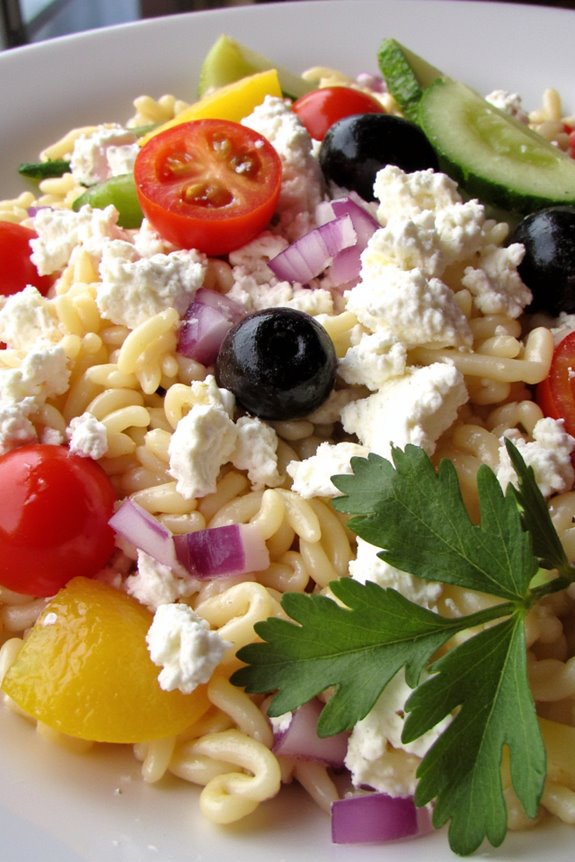
Greek Orzo Salad is a vibrant and revitalizing dish that perfectly captures the essence of Mediterranean cuisine. This salad combines tender orzo pasta with a medley of fresh vegetables, herbs, and a tangy lemon vinaigrette. It’s an excellent side dish for barbecues, potlucks, or a light lunch, making it a versatile addition to any meal. Packed with flavor and nutrients, this dish isn’t only satisfying but also visually appealing with its colorful ingredients.
The beauty of Greek Orzo Salad lies in its simplicity and adaptability. You can customize the ingredients based on what you have on hand or your personal preferences. The crunchy cucumbers, juicy tomatoes, and briny olives create a delightful contrast to the smooth orzo, while the feta cheese adds a creamy, salty touch that elevates the dish.
Whether you serve it immediately or let it chill in the fridge for a few hours, this salad is bound to be a crowd-pleaser.
Ingredients (Serves 4-6):
- 1 cup orzo pasta
- 1 medium cucumber, diced
- 1 cup cherry tomatoes, halved
- ½ red onion, finely chopped
- 1 bell pepper (any color), diced
- ½ cup Kalamata olives, pitted and halved
- 1 cup feta cheese, crumbled
- ¼ cup fresh parsley, chopped
- ¼ cup olive oil
- 2 tablespoons red wine vinegar
- 1 tablespoon lemon juice
- Salt and pepper, to taste
Cooking Instructions:
- Cook the Orzo Pasta: Begin by bringing a large pot of salted water to a boil. Once the water is boiling, add the orzo pasta and cook according to package instructions until al dente, usually about 8-10 minutes. Stir occasionally to prevent sticking. Once cooked, drain the orzo and rinse it under cold water to stop the cooking process and cool it down.
- Prepare the Vegetables: While the orzo is cooking, take the time to prepare your fresh vegetables. Dice the cucumber, halve the cherry tomatoes, finely chop the red onion, and dice the bell pepper. Make sure to have all vegetables cut uniformly for a pleasing presentation and even flavor throughout the salad.
- Mix the Dressing: In a small bowl, whisk together the olive oil, red wine vinegar, lemon juice, salt, and pepper. Adjust the seasoning to your liking. This dressing will enhance the flavors of the salad while adding a creamy texture from the olive oil.
- Combine the Ingredients: In a large mixing bowl, combine the cooked orzo, diced cucumber, halved cherry tomatoes, chopped red onion, diced bell pepper, Kalamata olives, and crumbled feta cheese. Gently toss the ingredients together to ensure they’re evenly mixed.
- Add the Dressing: Drizzle the prepared dressing over the orzo and vegetable mixture. Toss the salad gently to coat all the ingredients with the dressing. Finally, fold in the fresh parsley for an added burst of flavor.
- Chill and Serve: For the best flavors, let the salad sit in the refrigerator for at least 30 minutes before serving. This allows the ingredients to meld together beautifully. Serve the Greek Orzo Salad chilled or at room temperature.
Extra Tips:
When preparing Greek Orzo Salad, feel free to experiment with different vegetables or herbs based on seasonal availability or personal preference. Adding ingredients like artichoke hearts, sun-dried tomatoes, or even chickpeas can enhance the flavor and texture.
Additionally, if you prefer a bit of heat, consider adding a pinch of red pepper flakes to the dressing. Always taste the salad before serving, as adjusting the seasoning can make a significant difference in flavor.
Loukoum (Greek Delight)
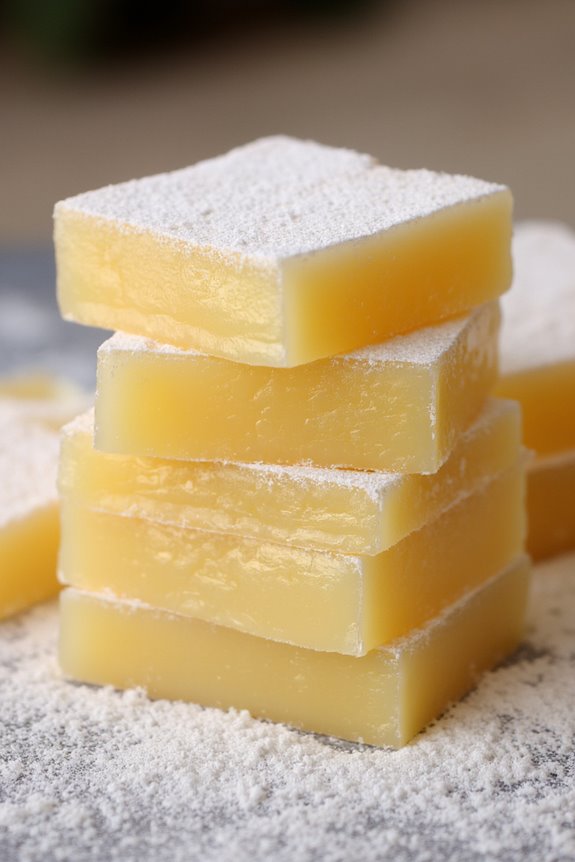
Loukoum, a traditional Greek delight, is a sweet confection that melts in your mouth, offering a unique taste of the Mediterranean. This delightful treat is made from simple ingredients, yet it requires a bit of patience and precision to achieve the perfect texture.
Loukoum is often flavored with rosewater or citrus, and it’s typically dusted with powdered sugar or cornstarch to prevent sticking. Not only is it a delicious snack or dessert, but it also holds cultural significance in Greek celebrations and gatherings.
Making loukoum at home is a rewarding experience, allowing you to customize flavors to your liking. The process involves cooking a sugar syrup and then incorporating starch to create that signature chewy texture. While it may seem intimidating at first, following the steps closely will lead you to success.
Once made, these little gems can be enjoyed on their own, paired with a cup of coffee, or gifted to friends and family as a sweet treat.
Ingredients (Serves 4-6):
- 2 cups granulated sugar
- 1 cup water
- 1 cup cornstarch
- 1/2 cup water (for cornstarch mixture)
- 1 tablespoon lemon juice
- 2 teaspoons rosewater or orange blossom water
- 1/2 teaspoon cream of tartar
- Cornstarch and powdered sugar (for dusting)
Cooking Instructions:
- Prepare the Cornstarch Mixture: In a small bowl, mix 1 cup of cornstarch with 1/2 cup of water. Stir until smooth and set it aside. This mixture will help thicken the syrup in the cooking process.
- Make the Sugar Syrup: In a medium-sized saucepan, combine 2 cups of granulated sugar, 1 cup of water, and 1 tablespoon of lemon juice. Stir the mixture over medium heat until the sugar dissolves completely. Use a candy thermometer to monitor the temperature, bringing it to a boil until it reaches 240°F (soft ball stage).
- Combine the Mixtures: Once the sugar syrup reaches the desired temperature, reduce the heat to low. Gradually add the cornstarch mixture to the sugar syrup while continuously stirring. This step is essential as it prevents lumps from forming. Keep stirring to guarantee a smooth and consistent mixture.
- Cook the Mixture: Continue to cook the combined mixture over low heat for about 10-15 minutes, stirring constantly. The mixture will start to thicken and become translucent. Once it reaches a thick, gooey consistency, remove it from the heat.
- Add Flavoring: Stir in 2 teaspoons of rosewater or orange blossom water, and 1/2 teaspoon of cream of tartar into the thickened mixture. Mix well to incorporate the flavors evenly.
- Set the Loukoum: Pour the mixture into a greased square or rectangular baking dish, spreading it evenly. Allow it to cool at room temperature for several hours or overnight until it’s completely set.
- Cut and Dust: Once set, dust a clean surface with a mixture of cornstarch and powdered sugar. Carefully remove the loukoum from the dish and cut it into small squares. Roll each piece in the dusting mixture to coat all sides, preventing them from sticking together.
Extra Tips:
When making loukoum, patience is key. Make sure you stir continuously while cooking to avoid burning and to achieve that perfect chewy texture.
If you prefer other flavors, feel free to experiment with different extracts such as lemon or almond. Additionally, confirming that the dish is completely cooled before cutting is vital for achieving clean edges.
Store your loukoum in an airtight container at room temperature, and they’ll keep for several days, allowing you to enjoy this delightful treat at your leisure.
Baklava With Eggless Phyllo Dough
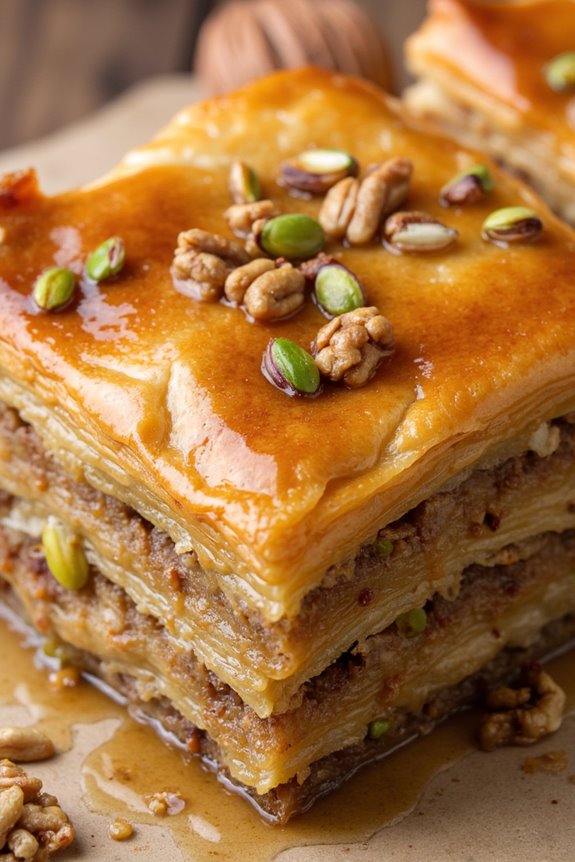
Baklava is a classic Greek dessert that’s beloved for its rich, sweet layers of flaky pastry, nuts, and syrup. Traditionally made with phyllo dough that often contains eggs, this eggless version retains all the delightful textures and flavors, making it perfect for those with dietary restrictions. The combination of crunchy walnuts or pistachios and the sweet, sticky syrup infused with honey creates a heavenly experience that’s hard to resist.
Making Baklava with eggless phyllo dough isn’t only simple but also rewarding. The process may seem intricate, but with a little patience, you can whip up this delicious treat right at home. Enjoy it as a dessert at family gatherings or as a sweet indulgence for yourself.
Let’s explore the ingredients and the steps needed to create this delightful dish that serves 4-6 people.
Ingredients
- 1 package of eggless phyllo dough (16 oz)
- 1 cup unsalted butter, melted
- 2 cups finely chopped walnuts or pistachios
- 1 cup granulated sugar
- 1 teaspoon ground cinnamon
- 1 cup water
- 1 cup honey
- 1 teaspoon vanilla extract
- 1 tablespoon lemon juice
Cooking Instructions
1. Prepare the Nut Mixture**: In a large mixing bowl, combine the finely chopped walnuts or pistachios, granulated sugar, and ground cinnamon**. Mix well until all ingredients are evenly incorporated. This will be the filling for your baklava.
2. Layer the Phyllo Dough: Preheat your oven to 350°F (175°C). Unroll the eggless phyllo dough and cover it with a damp cloth to prevent it from drying out. Take a 9×13 inch baking dish and brush the bottom with melted butter. Lay down the first sheet of phyllo, then brush it lightly with butter.
Repeat this process for about 8 sheets, making sure that each layer is well-buttered.
3. Add the Nut Filling****: Once the first layers are complete, sprinkle a generous layer of the nut mixture over the phyllo dough. Smooth it out evenly. Continue layering by adding 4 more sheets of phyllo, each brushed with butter, followed by another layer of the nut mixture.
Repeat this process until all the filling is used, ending with about 8 more layers of phyllo, each brushed with butter.
4. Cut the Baklava: Once all layers are assembled, use a sharp knife to cut the baklava into diamond or square shapes. This will make it easier to serve once baked. Make sure to cut through all layers down to the bottom of the pan.
5. Bake the Baklava: Place the baklava in the preheated oven and bake for approximately 45-50 minutes, or until the top is golden brown and crisp. Keep an eye on it to guarantee it doesn’t burn.
6. Prepare the Syrup: While the baklava is baking, prepare the syrup. In a saucepan, combine water, honey, sugar, vanilla extract, and lemon juice. Bring to a boil over medium heat, then reduce to a simmer and cook for about 10 minutes.
Remove from heat and let it cool.
7. Add the Syrup: Once the baklava is out of the oven, immediately pour the cooled syrup over the hot baklava. Allow it to soak in for several hours or overnight, which will help the flavors meld beautifully.
8. Serve: Once the baklava has cooled and soaked in the syrup, it’s ready to be served. Enjoy the sweet and nutty flavors with a cup of tea or coffee!
Extra Tips
When making baklava, make sure that you keep the phyllo dough covered with a damp cloth while working, as it dries out quickly and becomes difficult to handle.
Experiment with different types of nuts, such as almonds or hazelnuts, for varied flavors. Additionally, be certain to let the baklava rest after adding the syrup; this resting period will allow the syrup to fully absorb into the layers, enhancing the sweetness and texture.
Enjoy your homemade baklava!
